Marathon Recovery Planner
Most runners need 14 to 28 days to recover from a marathon. A 30 year old who ran it at a solid effort gets 21 days here: rest, walking, easy runs, then normal training. Pick your distance, from 5K to ultra, how hard it felt and your age.
- Rest days first
- First easy run
- Day by day plan
- When to race again
Recovery done. Time to take back ground.
Motera is a running game for iPhone. Every run that ends where it began claims the streets inside it on a live map of your city, so your first easy loops after the race already count. You also earn XP and climb a local leaderboard.
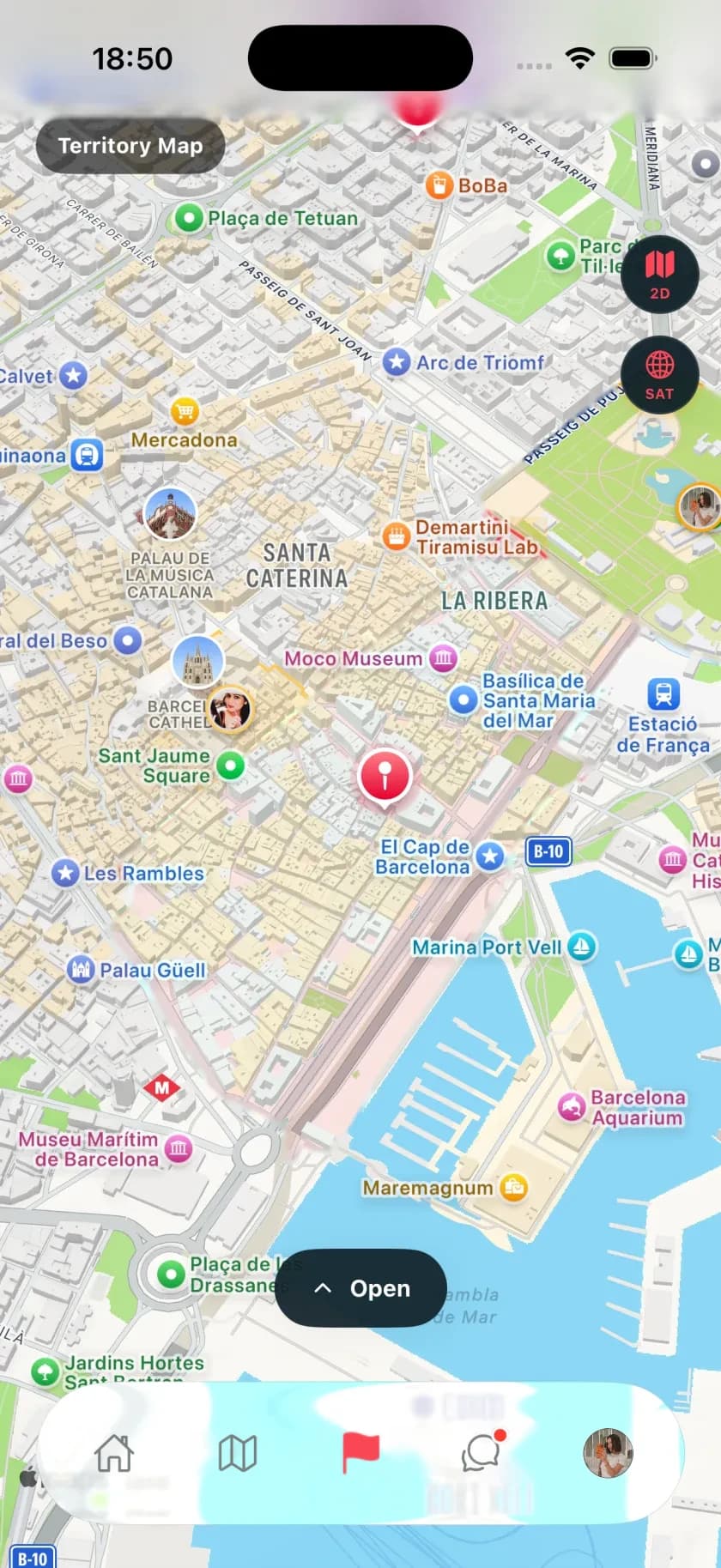
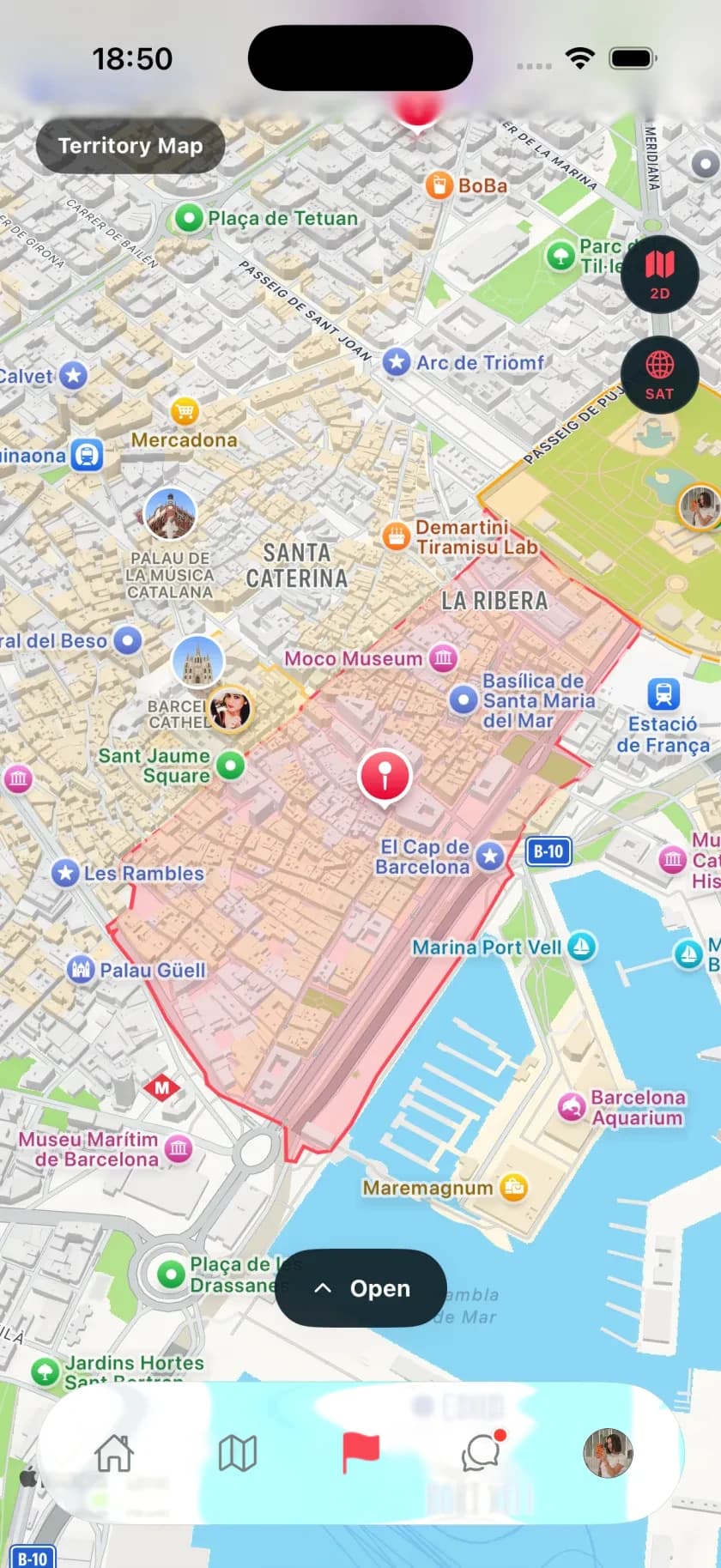 You claimed a new territory!

Recovery time by race distance
A 5K takes days, a marathon takes weeks. These are the planner's plans for a 30 year old after a solid, controlled effort, drawn on one scale from race day to the day you can race again.
- Rest
- Active Recovery
- Easy Running
- Resume Training
- Until you race again
- 5KBase range 3 to 5 daysRecovery4 daysRace again5 days
- 10KBase range 5 to 7 daysRecovery6 daysRace again8 days
- Half MarathonBase range 10 to 14 daysRecovery12 daysRace again16 days
- MarathonBase range 14 to 28 daysRecovery21 daysRace again27 days
- Ultra MarathonBase range 21 to 42 daysRecovery32 daysRace again42 days
The planner takes the middle of each base range, then multiplies it by your effort and your age. Racing again comes 30% after the last recovery day, so a half marathon at 12 days of recovery means 16 days before your next race.
Effort moves it most
A marathon at age 30- Easyx0.715 days
- Moderatex121 days
- Hardx1.327 days
- Destroyedx1.532 days
Age adds 10% a decade
A moderate marathon, from age 30- Age 30baseline21 days
- Age 40+10%23 days
- Age 50+20%25 days
- Age 60+30%27 days
- Age 70+40%29 days
How long does it take to recover from a marathon?
Most runners need 14 to 28 days. For a 30 year old after a solid effort, the planner's post marathon recovery plan runs 21 days, three calendar weeks, with racing again from day 27.
- Day1Full rest
- Day2Rest or walk
- Day3Rest or walk
- Day4Rest or walk
- Day515 to 20 min walk
- Day615 to 20 min walk
- Day7Walk or cross-train
- Day8Walk or cross-train
- Day9Jog and walk
- Day1020 min easy
- Day1120 min easy
- Day1225 to 30 min easy
- Day1325 to 30 min easy
- Day1430 to 40 min easy
- Day1530 to 40 min easy
- Day1630 to 40 min easy
- Day1730 to 45 min moderate
- Day1830 to 45 min moderate
- Day19Normal training
- Day20Normal training
- Day21Normal training
- Rest
- Active Recovery
- Easy Running
- Resume Training
Muscle damage lasts past day 7
Hikida and colleagues took calf muscle biopsies from marathon runners for 7 days after the race. Damage was most common on days 1 and 3 and was still there on day 7.
Hikida et al., 1983Some runners need more than a week
A 2024 study tracked a blood marker of oxidative stress after a marathon. It peaked on day 2 and stayed raised until day 5. Some runners were back to normal by day 3, others took more than 7 days.
Physiological Reports, 2024
Why the first days are rest
Soreness fades in a few days, the damage takes longer. That is why the plan starts with 4 rest days, food and sleep, and keeps every run easy until day 16.
The one day per mile rule, checked against the planner
It is a rule of thumb, not a study. For a marathon it lands within a day of the planner. For every other distance it gives you fewer days than the planner does.
“For each mile that you race, allow one day of recovery before returning to hard training or racing.”
Credited to Jack Foster, from Runner’s World’s 25 rules every runner should followRead the 25 rulesDays before your next hard effort
One day per milePlanner, race again- 5K3.1 miles35
- 10K6.2 miles68
- Half Marathon13.1 miles1316
- Marathon26.2 miles2627
- Ultra Marathon31.1 miles, 50K3142
For a marathon the rule says 26 days and the planner says 27. For a half it is 13 against 16. Planner days are for a 30 year old after a moderate effort, the ultra row uses a 50K.
When can you run again after a race?
The first real run comes after the rest and walking days. For a solid effort at age 30, the planner puts it on these days, then builds it up in five steps.
Day of your first easy run
- 5KDay 3
- 10KDay 4
- Half MarathonDay 6
- MarathonDay 10
- Ultra MarathonDay 15
A half marathon has its own day by day, three week guide: recovery after a half marathon.

How the runs build back up
- 120 min easy runConversational pace, walk breaks are fine
- 225 to 30 min easy runLegs should feel better each day
- 330 to 40 min easy runStill easy, no speed work yet
- 430 to 45 min moderate runA few minutes at tempo pace
- 5Return to normal trainingIntervals and speed work come back
Signs you are ready to race again
- No lingering muscle soreness
- Resting heart rate back to normal
- Good energy and you want to run
- A normal run at your usual pace without extra fatigue
Signs to stay on the plan
- Soreness still there on easy runs
- Resting heart rate above your normal
- Heavy legs and low energy
- No wish to run at all
Pain in one spot is not soreness
General soreness eases day by day. Sharp pain in one place that gets worse when you run is a reason to stop and get it checked.
Common running injuriesMarathon recovery tips for the first week
Recovery after a marathon is mostly sleep, food and walking. These six habits come straight from the plan's day notes.
- Days 1 to 3
Sleep
Stay off your feet as much as you can on day 1 and put sleep first.
- From day 1
Protein and carbs
Protein rich food helps repair muscle damage, carbohydrates refill your glycogen stores.
- From the finish
Fluids
Hydration sits next to sleep and food on day 1.
How much to drink after a run - From day 2
Short walks
A 10 to 15 minute walk is fine if your body feels ready. No running yet.
- Active recovery
Easy cross-training
Brisk walking, easy cycling or swimming, with your heart rate kept low.
- After 48 hours
Gentle stretching
No aggressive stretching in the first 48 hours. Light yoga, foam rolling and mobility work come first.
Foam rolling, massage and compression garments may also help with soreness. Once you are back to normal training, start the next race with the race day checklist and a race fueling plan.
Watch: how to tell you have recovered from a marathon
How Long Does It Take To Recover From A Marathon (And How Can You Tell?)
The Running Channel looks at how long marathon recovery takes and how you can tell when you are ready to train hard again. Watch it with your plan open and compare where you are.
Recovery is the last step of race day
This planner covers the days after the finish. The other three tools cover what to pack, the gels and the fluids, so the next race starts with step one again.
- Step 1, Night beforeRace Day ChecklistWhat to pack, what to wear and when to wake upOpen
- Step 2, FuelRace Fueling CalculatorGels, carbs per hour and a timed gel planOpen
- Step 3, DrinkHydration CalculatorSweat rate, fluid per hour and sodiumOpen
- Step 4, AfterRace Recovery PlannerDay by day plan until you race againYou are here
Where the recovery research comes from
The planner's day counts are Motera's own model. The studies and the rule of thumb on this page come from these sources.
Hikida et al., muscle biopsies after a marathon
Calf muscle samples taken over the 7 days after a marathon. Damage was most common on days 1 and 3 and still present on day 7.
Read the abstractOxidative stress after a full marathon
A blood marker peaked on day 2 and stayed raised until day 5. Some runners recovered by day 3, others took more than 7 days.
Read the study25 rules every runner should follow
The one day of recovery per mile raced rule, credited to Jack Foster.
Read the rulesHow Long Does It Take To Recover From A Marathon (And How Can You Tell?)
How long marathon recovery takes and how to tell when you are recovered.
Watch on YouTubeThis planner is general guidance, not medical advice. If something hurts in a way that is new to you, see a doctor or physiotherapist.
Your first run back can claim real ground.
In Motera, a run that loops back to where it started turns the area inside into your territory. Even a 20 minute easy loop in your recovery week counts, so the slow runs back have a point. Draw a loop on the map with your finger or mouse to see it.
- Zones0
- Area0 m²
- Loop0.00 km
- XP+0
Demo numbers. In the app, your real GPS run draws the loop.
© OpenStreetMap, OpenFreeMap

What is a race recovery planner?
A race recovery planner turns one race into a day by day post race recovery plan: when to rest, when to walk, when to run easy and when to train hard again.
This one starts from a base range per distance, 3 to 5 days for a 5K up to 21 to 42 for an ultra. It takes the middle of that range and multiplies it by how hard the race felt and by your age.
The plan splits into four phases: rest for the first 20% of the days, active recovery to 45%, easy running to 75%, then a return to training. A moderate marathon at age 30 gives 21 days.
Add your race date and it shows what to do today. Fueling and fluids for the race itself have their own tools: the race fueling calculator and the hydration calculator.
It is built for anyone who just ran a 5K, 10K, half, marathon or ultra. It is free, runs in your browser and asks for no signup. Motera is a separate iOS app that turns runs into territory on a live map.
Marathon recovery questions
How long does it take to recover from a marathon?
Most runners need 14 to 28 days to fully recover from a marathon. The first 3 to 5 days should be complete rest or very light walking. After that, gradual return to easy running over 2 to 3 weeks. Your age, effort level, and training background all affect recovery time. Older runners and those who raced at maximum effort should plan for the longer end of this range.
Can I run the day after a race?
For shorter races like a 5K, a very easy recovery jog the next day is fine for experienced runners. After a 10K or longer, take at least one full rest day. After a half marathon or marathon, most runners should take 3 to 7 days completely off from running. Rushing back too soon increases injury risk significantly.
What should I do during race recovery?
Focus on sleep, hydration, and nutrition. Eat protein rich foods to repair muscle damage and carbohydrates to refuel glycogen stores. Light walking and gentle stretching help blood flow without stressing damaged tissues. Foam rolling, massage, and compression garments may also help reduce soreness.
How do I know if I am recovered enough to race again?
Key signs of full recovery include no lingering muscle soreness, normal resting heart rate, good energy levels, and motivation to run. You should be able to complete a normal training run at your usual pace without extra fatigue. A common rule of thumb is one easy day for every mile raced before your next hard effort.
What is the one day per mile rule?
It is a rule of thumb from the Runner's World list of 25 rules every runner should follow, credited to Jack Foster: for each mile you race, allow one day of recovery before hard training or racing again. For a marathon that is about 26 days. The planner gives a 30 year old who ran a moderate marathon 27 days before racing again.
Does age affect recovery time after a race?
Yes, recovery generally takes longer as you get older, because muscle repair slows with age and connective tissue takes longer to heal. This planner adds 10 percent per decade over age 30. A moderate marathon gives a 30 year old 21 days and a 50 year old 25 days.
What is active recovery and why does it help?
Active recovery means doing very light exercise like walking, easy cycling, or swimming instead of sitting still. It promotes blood flow to tired muscles without the pounding of a run. In this planner it sits between the rest days and the first easy run.
Should I stretch during race recovery?
Gentle, static stretching can feel good during recovery, but avoid aggressive stretching in the first 48 hours when muscles are most damaged. Light yoga, foam rolling, and mobility work are better choices early on. As you progress through recovery, you can gradually return to your normal stretching routine.
How long should I wait before my next marathon?
Most running coaches recommend waiting at least 12 to 16 weeks between marathons. This allows full physiological recovery, a proper rebuild phase, and enough time for a mini training block. Running multiple marathons too close together increases the risk of overtraining syndrome and stress injuries.
Is this recovery planner free to use?
Yes, this race recovery planner is completely free with no sign up required. Generate as many recovery plans as you need for different distances and effort levels. Bookmark this page and come back after every race.
What if I feel fine before the recovery plan says I should run?
It is common to feel good before you are fully recovered. Muscle damage and glycogen depletion can persist even when soreness fades. Stick to the plan, especially after longer races. Coming back too early is one of the most common causes of post-race injuries. Patience during recovery pays off in the long run.