Race Day Checklist
A race day checklist covers six parts: the night before, race morning, gear, nutrition, essentials and after the finish. For a marathon the generator lists 36 items, 19 of them required. Pick your distance, weather and experience, then tick items off as you pack.
- The night before
- Race morning
- Gear and nutrition
- Weather add-ons
- Saves as you tick
Bib pinned. Next, claim the streets.
Motera is a running game for iPhone. Every run that ends where it began claims the streets inside it on a live map of your city, so the easy loops after your race still count for something. You also earn XP and climb a local leaderboard.
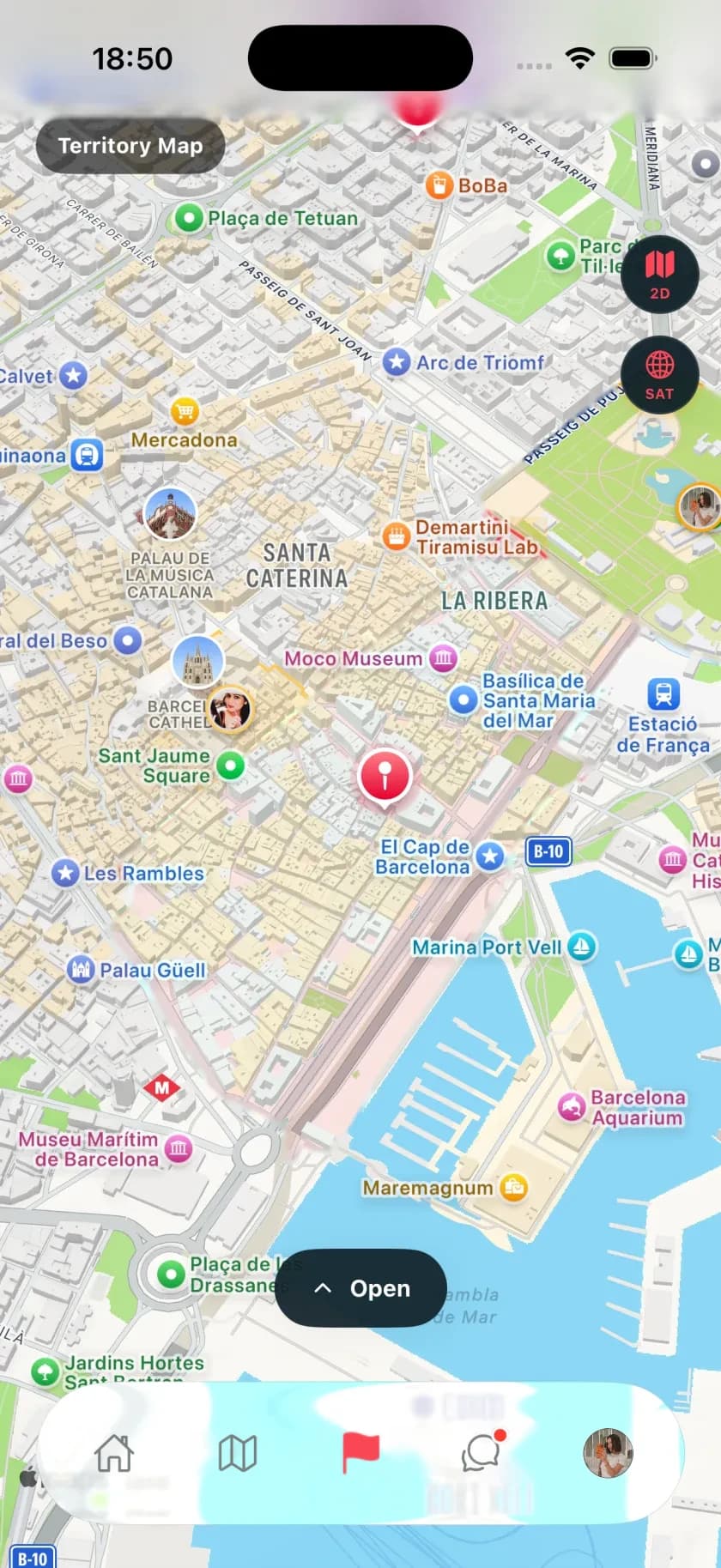
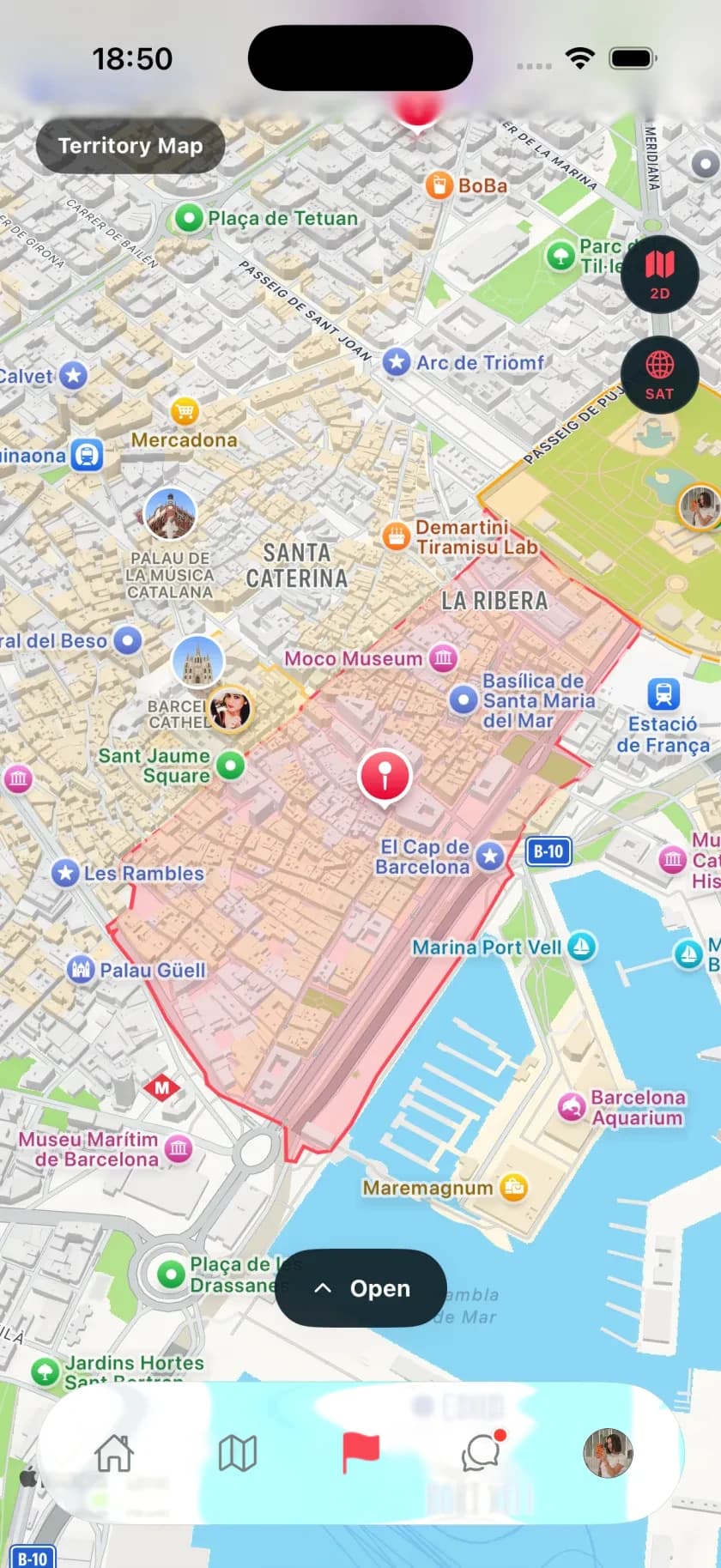 You claimed a new territory!
The night before and race morning, hour by hour
Here is the checklist laid out on a clock for a marathon that starts at 7:00. Move every time by the same amount for your own start.
- DinnerA carb rich dinner you know well, pasta, rice or bread, about 12 to 15 hours before the start.
- Lay it all outEvery piece of race kit on the floor, bib already pinned to your shirt.
- Charge and setGPS watch and phone on charge, two alarms set with time for breakfast and travel.
- Read the courseCourse map, start location and parking, plus the race instructions email.
- 4:00Wake up4:003 hours outThree hours before a marathon start. For a 5K or 10K, two hours is enough.
- 4:00 to 5:00Breakfast and water4:00 to 5:00On the listEat breakfast 2 to 3 hours before the start and drink 400 to 600 ml of water with it.
- 5:10Dress and protect5:10On the listBib on the front of your top, anti-chafe cream on the problem areas, sunscreen if it is sunny.
- 5:30Arrive at a big city race5:3090 minutesBig events like city marathons need about 90 minutes for parking, bag drop and toilet queues.
- 6:15Latest arrival at a local race6:1545 minutesArrive at least 45 minutes before the start, so you are not warming up in a rush.
- 6:35 to 6:50Toilet, bag drop, warm up6:35 to 6:50On the listUse the restroom before the corral, drop your bag, then jog 5 to 10 minutes with dynamic stretches.
- 7:00Start7:00GoStart conservatively. You can always speed up later.
Marathon checklist and half marathon checklist
The two lists share 27 items. The marathon list adds a race belt, a pace band, salt tablets and a few rest days, and asks for more gels. Here is what to bring to a half marathon or a marathon for a runner with a few races behind them, before any weather.
Marathon checklist
36items, 19 required- Race belt or hydration vest
- 3 to 5 energy gels or equivalent chewsRequired
- Plan your fueling: one gel every 30 to 45 minutes after mile 5Required
- Salt tablets or electrolyte capsules for longer efforts
- Test all nutrition in training first. Nothing new on race day.Required
- Pace band or pace chart on your wrist
- Emergency contact info written on your bib or arm
- Ice bath or cold water soak when you get home
- Take the next 3 to 5 days completely off from runningRequired
Half marathon checklist
29items, 16 required- 1 to 2 energy gels or equivalent chewsRequired
- Plan your fueling: take a gel around mile 6 to 7
Those are starting points. Your own count depends on your finish time and your gel, which the race fueling calculator works out.
The 15 required items on both lists
Night before, morning, gear, essentials- Lay out all race gear and pin your bib number to your shirt
- Check the weather forecast and adjust your clothing plan
- Set two alarms with enough time for breakfast and travel
- Eat a carb rich dinner (pasta, rice, bread) and hydrate well
- Eat breakfast 2 to 3 hours before race start
- Drink 400 to 600ml of water with breakfast
- Apply Body Glide or anti-chafe cream to problem areas
- Arrive at the race venue at least 45 minutes early
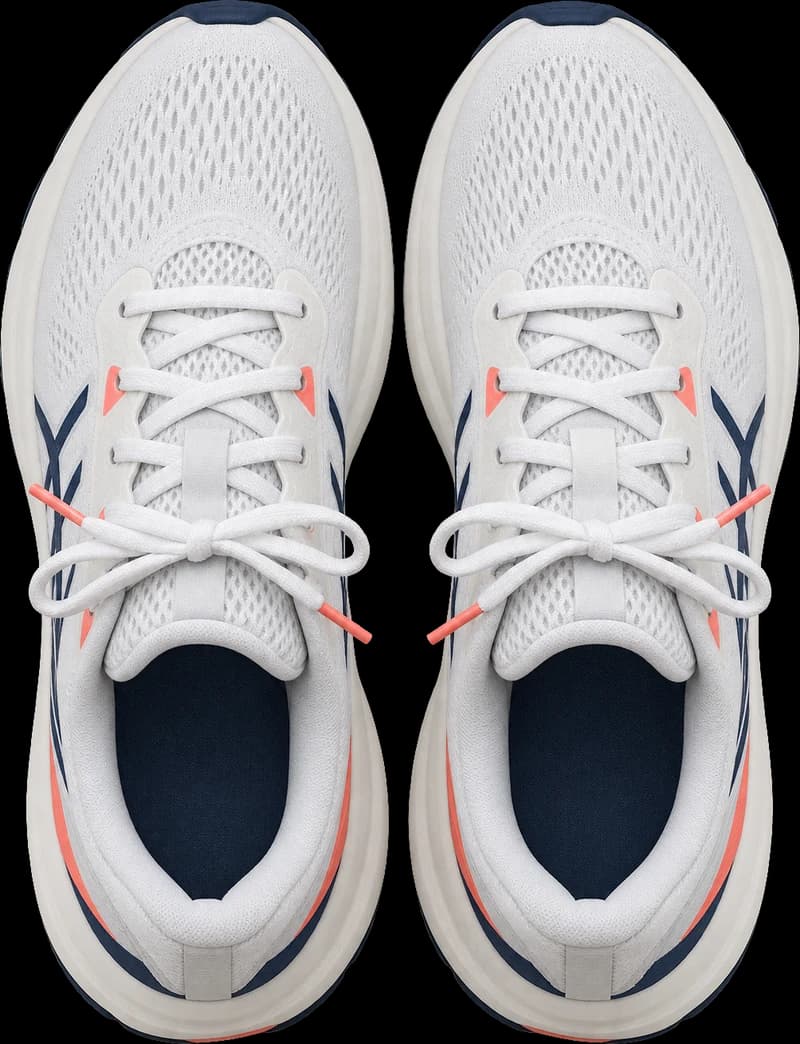
- Running shoes (broken in, not new)
- Running socks (moisture wicking, no cotton)
- Race bib and safety pins
- Comfortable running shorts or tights
- Running top or singlet
- Photo ID
- Phone (for emergencies and post-race photos)
How the list grows with distance
Items per category, no weather tickedWhat to bring to a marathon
Sort the marathon packing list by where each thing ends up: on your body, in your pockets, in the bag you drop at the start, or waiting for you after the finish.
What you wear
- Running shoes, broken in, not new
- Moisture wicking socks, no cotton
- Shorts or tights tested on a long run
- Top or singlet with the bib pinned on the front
- Anti-chafe cream on the problem areas
- A throwaway layer if the start is cold
What you carry
- Gels or chews for the distance
- Race belt or hydration vest for a marathon
- GPS watch or phone with a running app
- Pace band or pace chart on your wrist
- Emergency contact written on your bib or arm
Your bag drop
- A snack to eat after the finish
- Dry clothes and shoes
- A towel
- Cash or card for food
- Nothing valuable you cannot lose
After the finish
- Recovery drink or chocolate milk
- A real meal within 2 hours
- Compression socks for the trip home
- Foam roller or massage ball at home
How the London Marathon handles kit bags
Big races run bag drop to strict rules, so read your own event guide. In 2025, London gave every runner an official kitbag at the expo, with a sticker matching their bib number and baggage lorry.
2025 event guide- Bib clearly on your chest before you reach the start
- A food item packed to eat afterwards
- Hand the bag to the lorry that matches your bib
- Collect it in the finish area from the same lorry number
- No other bags, and nothing tied to the kitbag
- No expensive items such as a phone inside
Race day gifts straight from the checklist
Skip new shoes and new gels as a surprise: the list says nothing new on race day, so those are best picked by the runner. To be at the finish on time, use the marathon time calculator: it turns a recent race into a likely finish time.
What each weather box adds to your list
Tick every box that matches the forecast. A cold, wet start and a hot finish can happen on the same race morning, so the add-ons stack.
Cold
+4- Arm sleeves or light long sleeve layerRequired
- Gloves (thin, disposable ones work great)
- Throwaway layer for the start line
- Ear covering (headband or buff)
Rain
+4- Light waterproof or water resistant jacketRequired
- Billed hat or visor to keep rain off your faceRequired
- Plastic bag for your phone
- Extra pair of dry socks for after
Hot
+3- Light colored, moisture wicking clothingRequired
- Visor or hat with mesh for ventilationRequired
- Sunglasses
Sunny
+2- Sunscreen (SPF 30+ applied 20 minutes before)Required
- Sunglasses with secure fit
Watch a coach pack his race day bag
My ULTIMATE Race Day Packing List!
Running coach Ben Parkes lays out his race day essentials: what he wears on the start line and what goes in his drop bag. Watch it with your generated list open and tick off what you already have.
Packing is step one of race day
This checklist covers packing, what to wear and race morning. The other three tools cover gels, fluids and the days after, and each one picks up where this one stops.
- Step 1, Night beforeRace Day ChecklistWhat to pack, what to wear and when to wake upYou are here
- Step 2, FuelRace Fueling CalculatorGels, carbs per hour and a timed gel planOpen
- Step 3, DrinkHydration CalculatorSweat rate, fluid per hour and sodiumOpen
- Step 4, AfterRace Recovery PlannerDay by day plan until you race againOpen
Where the checklist advice comes from
The generator's lists are Motera's own. These are the published guides behind the packing, night before and bag drop advice on this page.
“Be sure to lay everything out the night before, including pinning your bib on.”
Marathon Handbook, The Ultimate Marathon ChecklistThe ultimate marathon checklist
Packing lists for before, during and after a marathon, plus a post-race bag with dry clothes, a towel, snacks and compression socks.
Read the checklistEvent guide
Bib and safety pins in the event pack, photo ID to collect it, official kitbags only, and no expensive items such as a phone in the bag.
Open the guideMy ULTIMATE Race Day Packing List!
A running coach shows what he wears on the start line and what he packs in his drop bag.
Watch on YouTubeRace rules differ. Your own event guide decides bag drop, start times and what you can carry.
Your race is one run. The loops after it can claim real ground.
In Motera, a run that loops back to where it started turns the area inside into your territory. Your easy recovery jogs and your next long run both count, so the weeks after race day can turn into a map of your city. Draw a loop on the map with your finger or mouse to see it.
- Zones0
- Area0 m²
- Loop0.00 km
- XP+0
Demo numbers. In the app, your real GPS run draws the loop.
© OpenStreetMap, OpenFreeMap

What is a race day checklist generator?
A race day checklist generator, or race checklist, builds a packing and timing list for one race from three answers: the distance, the expected weather and how many races you have run.
This one sorts every item into six groups: night before, morning of, gear, nutrition, essentials and post-race. It marks the must haves as required, so you can see what still matters when time runs short.
A marathon list for a runner with a few races has 36 items, 19 of them required. Ticked items are saved in your browser, so you can pack over a few evenings, print the list or reset it for the next race.
Gel counts and drinking plans have their own tools: the race fueling calculator and the hydration calculator. For the week after, use the race recovery planner.
It is built for anyone with a 5K, 10K, half, marathon or ultra coming up, first timers most of all. It is free, runs in your browser and asks for no signup. Motera is a separate iOS app that turns runs into territory on a live map.
Race day checklist questions
What should I bring to a 5K race?
For a 5K, keep it simple: running shoes, comfortable clothes, your race bib, a watch, and your phone. You do not need gels or hydration gear for a 5K since the race is short enough that pre-race hydration is sufficient. Arrive early, warm up, and focus on having fun.
What should I eat the night before a race?
Stick to familiar, carbohydrate rich foods like pasta, rice, or bread with a simple protein source. Avoid high fiber foods, spicy dishes, and anything you have not eaten before. The goal is to top off your glycogen stores without upsetting your stomach. Keep the meal moderate in size and eat it 12 to 15 hours before your start time.
What time should I wake up on race morning?
Plan to wake up at least 3 hours before the race start for a marathon, or 2 hours for shorter distances. This gives you time to eat breakfast, digest, use the restroom, travel to the venue, and warm up without feeling rushed. Set two alarms to be safe.
Should I wear new shoes on race day?
Never wear brand new shoes on race day. Your shoes should have at least 30 to 50 miles of running in them so they are properly broken in and you know they will not cause blisters or hot spots. The same rule applies to all race gear: nothing new on race day.
How many gels do I need for a marathon?
The checklist lists 3 to 5 gels as a starting point. The real number depends on how long you will be out on the course and how many grams of carbs each gel holds, so a slower finish needs more. The Motera race fueling calculator works it out from your finish time and your gel. Practice the plan on long runs first.
What should I do if it rains on race day?
Rain is manageable with the right preparation. Wear a billed hat to keep rain off your face, apply extra anti-chafe cream, and consider a light waterproof jacket for the start that you can tie around your waist later. Put your phone in a plastic bag and wear moisture wicking socks to prevent blisters.
How early should I arrive at the race venue?
Arrive at least 45 to 60 minutes before the start for local races, and 90 minutes for large events like city marathons. This gives you time to park, pick up your bib if needed, use the restroom (expect lines), drop off gear bags, and warm up without stress.
What should I put in my bag drop?
A snack to eat after the finish, dry clothes and shoes, a towel, and cash or a card. Leave valuables out: the 2025 London Marathon guide asks runners not to put expensive items such as a phone in their kitbag, and accepts only the official kitbag with the bib number sticker on it.
What should I do after finishing a race?
Keep walking for 5 to 10 minutes to cool down gradually. Drink water or a recovery drink, eat something within 30 minutes (most races provide food), and stretch gently. Change into dry clothes as soon as possible to avoid getting cold. For longer races, consider compression socks and an ice bath when you get home.
Does the checklist save my progress?
Yes, your checked items are saved in your browser using local storage. You can close the page and come back later to see your progress. Use the reset button to clear all checkmarks when you are preparing for a new race.
Is this race day checklist free?
Yes, this personalized race day checklist is completely free with no sign up required. Generate checklists for any distance and weather condition. Print it out or use it on your phone. Bookmark this page and use it before every race.