Are you an Explorer who craves new routes? A Competitor who lives for leaderboards? A Strategist who runs on blueprints? Take this 2-minute quiz to discover your running personality and learn how to run smarter.
10 questions. No sign-up required.
Rated on the App Store · 389 ratings
The short answer
This quiz sorts runners into six types by what keeps them running: Explorer, Competitor, Strategist, Streak Runner, Social Runner and Zen Runner. Answer 10 quick questions to get your primary and secondary type, then see how to run based on your type.
10 questions, 6 possible types
About 2 minutes, instant result
No sign-up required
Your type?
Explorer
Competitor
Strategist
Streak Runner
Social Runner
Zen Runner
10 questions, about 2 minutes
6 Runner Types. Which One Are You?
The ExplorerEvery run is a discovery.
The CompetitorIf there is a leaderboard, I am on it.
The StrategistOutplan. Outrun. Outplay.
The Streak RunnerDay after day after day.
The Social RunnerThe more, the merrier, the faster.
The Zen RunnerThe run is the reward.
10 questions. No sign-up required.
Why Take This Quiz?
Find your natural motivationStop forcing habits that do not fit. Lean into what drives you.
Pick the right training approachYour type determines whether you need structure, variety, or social accountability.
Avoid burnout before it hitsEvery type has a kryptonite. Knowing yours keeps you running longer.
Share with your running crewCompare types with friends. You might be surprised who the Strategist is.
A game for every type
Whatever your runner type, there is a way to play.
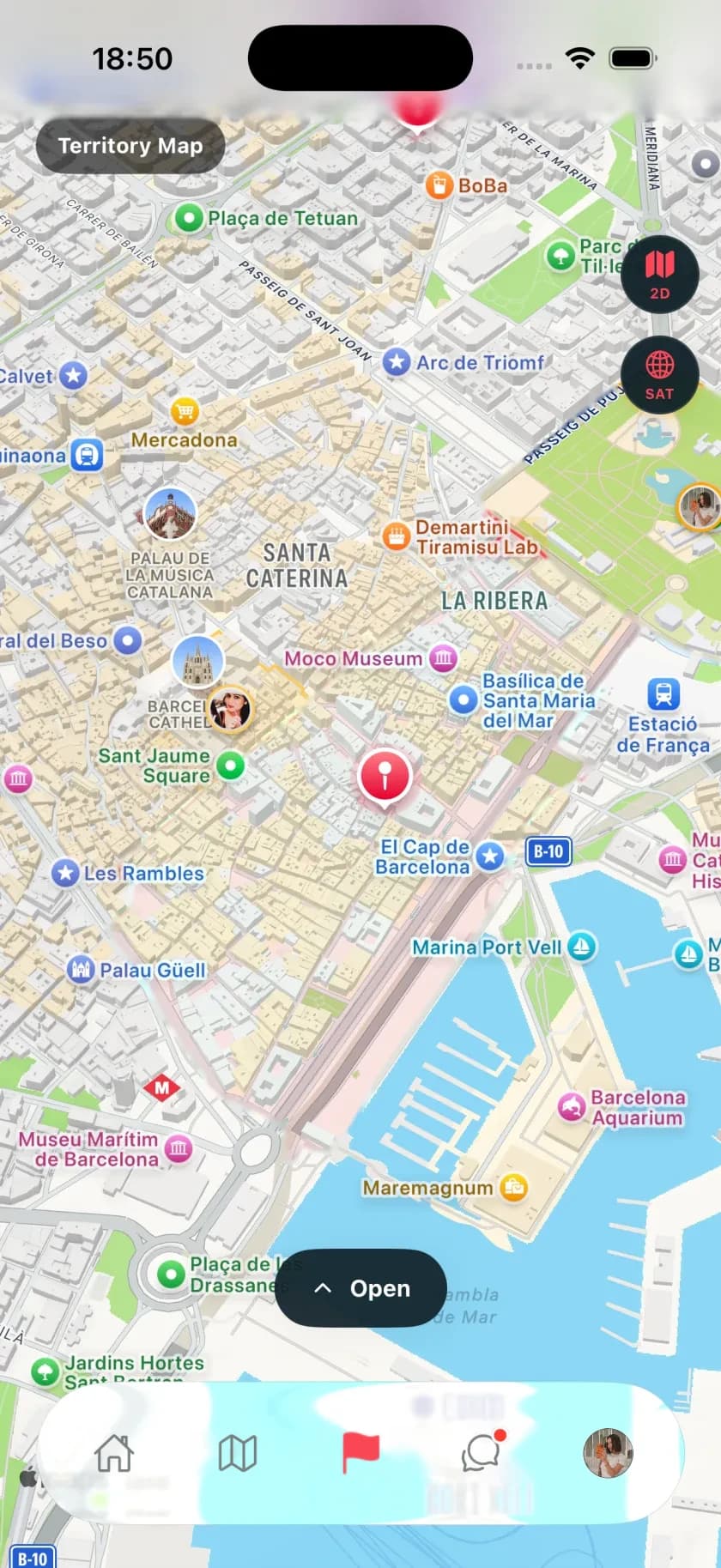
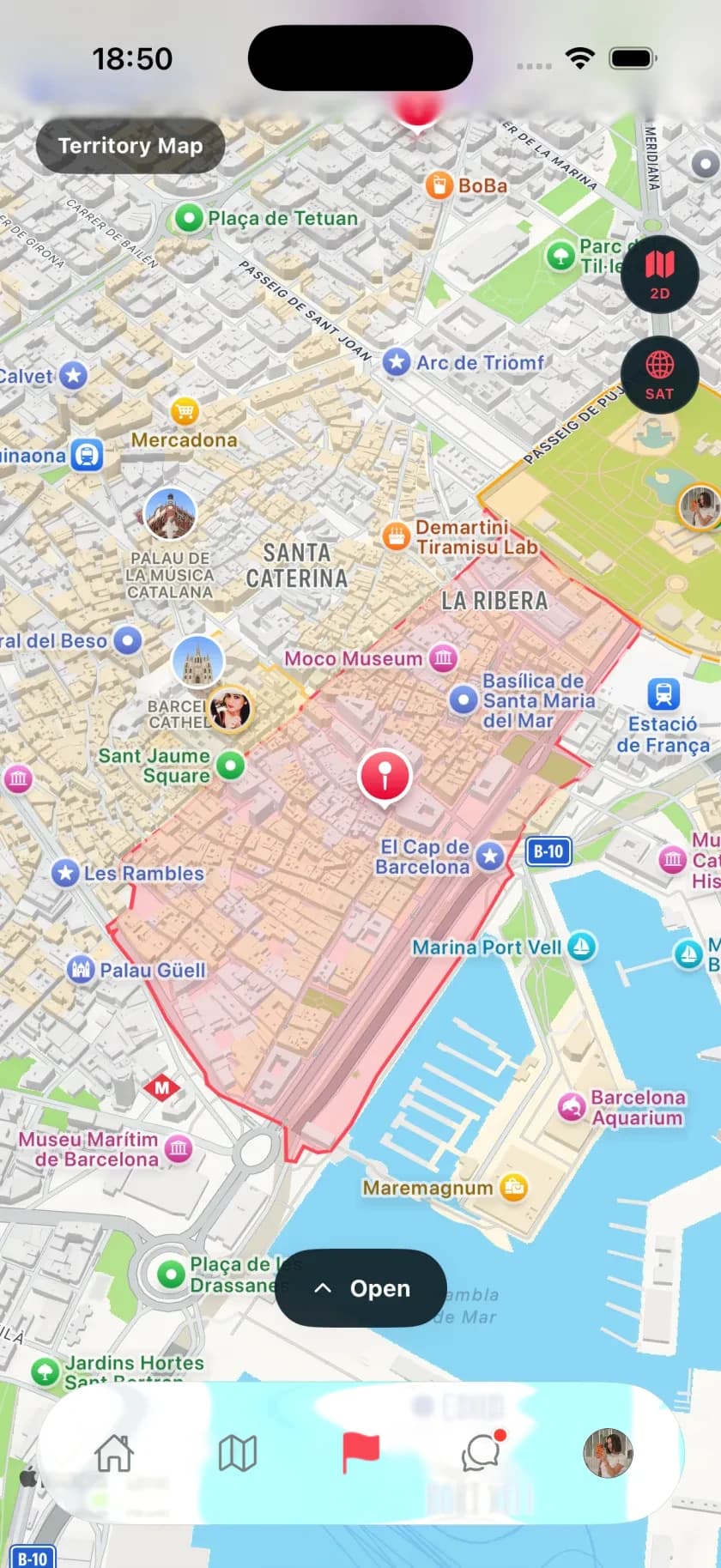
Motera is an iOS running game on a live map of your city. Explorers lift the Fog of War off streets they have never run. Competitors climb local leaderboards and take back ground a rival claimed. Strategists plan the loop that captures the most area, because a run that ends where it started claims everything inside it.
Each runner type represents a different approach to running. Most runners are a blend of two or three, but one type usually dominates. Here is what each of the six quiz results means.
The Explorer
Every run is a discovery.
Driven by curiosity and novelty. You thrive on new routes, hidden trails, and the thrill of seeing places your feet have never touched. Boredom is never a problem because every run feels like an adventure.
Watch out for: You might never run the same route twice, which can make structured training tricky.
The Competitor
If there is a leaderboard, I am on it.
Fueled by performance and rivalry. You know your PR down to the second, check your splits mid-run, and consider second place a polite way of saying "first loser." You run to win.
Strengths: Drive, intensity, constant improvement
Watch out for: Burnout and overtraining. Sometimes a chill run is just a chill run.
The Strategist
Outplan. Outrun. Outplay.
Powered by planning and optimization. Every run is pre-mapped, every route is calculated for maximum efficiency. You are the chess player of the running world, and your GPS trail is proof.
Strengths: Efficiency, tactical thinking, maximum ROI on every run
Watch out for: Over-planning can kill spontaneity. Sometimes the best run is the unplanned one.
The Streak Runner
Day after day after day.
Built on discipline and consistency. Rain or shine, Monday or Christmas, you lace up. Your streak counter is sacred. You might not be the fastest, but you are the most reliable runner anyone knows.
Watch out for: Rigidity. A rest day is not a failure; it is a strategy.
The Social Runner
The more, the merrier, the faster.
Motivated by community and connection. Running is a social activity first and exercise second. You organize group runs, recruit beginners, and firmly believe the best runs end at a coffee shop.
Strengths: Motivation through community, accountability, fun factor
Watch out for: You might struggle with solo training when the group is not available.
The Zen Runner
The run is the reward.
Guided by mindfulness and inner peace. You run for the mental clarity, the rhythm of your breath, the quiet meditation of movement. Stats and leaderboards mean nothing. The run itself is everything.
Strengths: Mental resilience, low injury risk, genuine love for running
Watch out for: You might underperform in competitive scenarios because you genuinely do not care about winning.
Run for your type
How to run based on your type
Lean into what drives you and plan around your blind spot. Find your row, then keep the workouts and routes that fit and watch the risk on the right.
Type
Best workouts
Routes
App features
Main risk
Explorer
Easy and long runs on new routes, a new loop each week
Unfamiliar streets, parks and trails
Route discovery and map features
Structured plans feel tricky when no route repeats
Competitor
Intervals, tempo runs and race goals
Segments and courses with a time to beat
Leaderboards and segment tracking
Overtraining and burnout, keep easy days easy
Strategist
A written training plan with planned loops
Pre-mapped loops that cover the most ground
Route planning and maps
Over planning kills spontaneity, leave one run free
Streak Runner
Low intensity daily mileage with short easy days
A reliable daily route
Streak counters and calendars
Skipping rest, a rest day is a strategy
Social Runner
Group runs, club sessions and runs with a partner
Wherever the group goes, ideally ending at coffee
Group challenges and sharing
Solo training stalls when the group is away
Zen Runner
Easy runs by feel, without a watch now and then
Quiet trails, water and trees, away from traffic
Simple tracking with few alerts
Underperforming in races you could do well in
Explorer
Best workoutsEasy and long runs on new routes, a new loop each week
RoutesUnfamiliar streets, parks and trails
App featuresRoute discovery and map features
Main riskStructured plans feel tricky when no route repeats
Competitor
Best workoutsIntervals, tempo runs and race goals
RoutesSegments and courses with a time to beat
App featuresLeaderboards and segment tracking
Main riskOvertraining and burnout, keep easy days easy
Strategist
Best workoutsA written training plan with planned loops
RoutesPre-mapped loops that cover the most ground
App featuresRoute planning and maps
Main riskOver planning kills spontaneity, leave one run free
Streak Runner
Best workoutsLow intensity daily mileage with short easy days
RoutesA reliable daily route
App featuresStreak counters and calendars
Main riskSkipping rest, a rest day is a strategy
Social Runner
Best workoutsGroup runs, club sessions and runs with a partner
RoutesWherever the group goes, ideally ending at coffee
App featuresGroup challenges and sharing
Main riskSolo training stalls when the group is away
Zen Runner
Best workoutsEasy runs by feel, without a watch now and then
RoutesQuiet trails, water and trees, away from traffic
App featuresSimple tracking with few alerts
Main riskUnderperforming in races you could do well in
Got two close scores? Mix the rows. A Strategist with a strong Explorer score can plan a new loop each week, and a Competitor with a Social side can race a club 5K instead of a solo time trial.
Body types
Motivation types vs body types
This quiz types you by why you run. Coaches also type runners by how the body responds to training. Coach Greg McMillan describes three: the Speedster, the Endurance Monster and the Combo Runner. You can be a Zen Runner and an Endurance Monster at the same time.
How to tell your body type
Compare your race results across distances. A Speedster does well over 5K and falls behind as races get longer. An Endurance Monster gets relatively stronger the longer the race. A Combo Runner holds about the same level at every distance. Shape only, the chart has no real times.
the speed freak in the video
Speedster
Strong at: Short, fast repeats and 5K to 10K races
Train: Less volume, more speed work. Long and tempo runs take more out of you, so give them extra attention.
Sweet spot: 5K and 10K
the most common type
Combo Runner
Strong at: Short fast work and long steady work, about equally
Train: A balanced plan. If you are unsure of your type, start here.
Sweet spot: Half marathon to marathon
the diesel engine in the video
Endurance Monster
Strong at: Long runs, tempo runs and marathon training
Train: More volume, with speed work as the weak spot to keep in the plan.
Sweet spot: Marathon and beyond
Sources: the three types, the Combo Runner as the most common type and the advice to start with a Combo plan from McMillan Running. The race sweet spots come from the Coach Parry video below.
Watch
A coach on what type of runner you are
Video, 14:29, Coach Parry
What TYPE Of Runner Are YOU and What Does It Mean For Your Training?
The coach splits runners into the diesel engine, the speed freak and the combo runner, shows how to spot yours from race results, and covers volume, speed work, cross training, strength work and which races suit each type. It is the body side of runner types, next to the motivation side this quiz measures.
Why it matters
Why knowing your runner type matters
Train smarter, not harder
Knowing your runner type helps you pick training methods that match your natural motivation. Competitors thrive on interval workouts and race goals. Explorers need route variety to stay engaged. Streak Runners benefit from low-intensity daily mileage plans. Matching your training to your personality reduces burnout and increases consistency.
CompetitorExplorerStreak Runner
Pick the right running app
Not all running apps work for all runner types. Competitors need leaderboards and segment tracking. Explorers want route discovery and map features. Social Runners need group challenges and sharing. Understanding your type saves you from downloading five apps before finding the one that keeps you running.
CompetitorExplorerSocial Runner
Find your running community
Running clubs and groups have their own personality too. A competitive track club is perfect for a Competitor but miserable for a Zen Runner. A casual social running group energizes a Social Runner but frustrates a Strategist. Knowing your type helps you find the people who make running better, not worse.
CompetitorZen RunnerSocial RunnerStrategist
Avoid your blind spots
Every runner type has a weakness. Competitors risk overtraining. Streak Runners resist rest days. Explorers struggle with structured plans. Zen Runners underperform in races they could easily win. Knowing your blind spot is the first step to managing it.
CompetitorStreak RunnerExplorerZen Runner
How it works
How the running quiz scores you
The quiz presents 10 scenario based questions, from how you react when your phone dies mid run to what you would put on the back of a running jersey. There are no right or wrong answers, pick whatever feels most natural.
10questions, 6 answers each
2points for an answer tied to one type
1 + 1for the one answer tied to two types
20points handed out in every quiz
Two answers, scored
It is Saturday morning. You have no plans. What sounds like the perfect start?Take a road I have never driven down, just to see where it goes2 Explorer
Your running app sends a notification: a rival just captured territory near your home. What do you do?Take a detour through streets I have not explored yet while reclaiming1 Explorer1 Strategist
After the last answer the quiz adds up the points. Your primary type has the most, your secondary type the second most. On a tie, the type listed first wins, in the order Explorer, Competitor, Strategist, Streak Runner, Social Runner, Zen Runner.
A sample result, out of 20 points
ExplorerPrimary11 pts
StrategistSecondary5 pts
Competitor2 pts
Streak Runner2 pts
Social Runner0 pts
Zen Runner0 pts
11 of 20 points went to the Explorer, so the result shows a 55% match. The match percent is always your primary type's share of the 20 points.
The research
Is the runner type quiz a scientific test?
No. It is a fun self check, not a validated psychological test. Researchers who study why people run use longer questionnaires, and the best known is the Motivations of Marathoners Scales (MOMS).
1993MOMS published by Masters, Ogles and Jolton
56questions in the questionnaire
9motive scales in 4 areas
1 to 7from not a reason to a most important reason
Closest quiz types: none, the quiz does not ask about health or weight
The Explorer has no direct match, since novelty is not one of the nine scales. In a 2018 study of ultra marathon runners that used MOMS, personal goal achievement scored highest in both groups studied, with health orientation and self-esteem next. The scales and areas come from that study and the MOMS site run by one of its authors.
Try the game
Every runner type plays the map differently.
In Motera, a run that loops back to where it started turns the area inside into your territory on a live map. A Strategist plans the biggest loop, an Explorer goes for streets nobody has claimed, a Competitor goes after a rival. Draw a loop with your finger or mouse and see how much ground one run can claim.
Zones0
Area0 m²
Loop0.00 km
XP+0
Demo numbers. In the app, your real GPS run draws the loop.
The quiz, its six types and its scoring come from the quiz's own code. The body types and the research come from these pages, opened in November 2026.
McMillan Running, Greg McMillan
The 3 Runner Types: Do you know your type?
The Speedster, the Endurance Monster and the Combo Runner, the Combo Runner as the most common type, and the advice to start with a Combo plan when unsure.
A runner type is your dominant running motivation style. It describes why you run, what keeps you coming back, and what kind of running experience feels most rewarding to you. Just like personality types in psychology, runner types capture the patterns behind your habits.
Some runners are driven by competition. They need a leaderboard, a rival, or a personal record to chase.
Others are explorers who get bored running the same loop twice and need novelty to stay engaged. Some run for the discipline of a daily streak, others for the social connection of a running group, and some purely for the meditative calm it brings.
The Motera runner type quiz is a free 10 question running quiz. It identifies your primary and secondary runner types across six archetypes: the Explorer, the Competitor, the Strategist, the Streak Runner, the Social Runner and the Zen Runner.
It takes about 2 minutes, needs no sign-up, and shows a full score breakdown you can share. There are no wrong answers and no bad types.
Motera, which makes the quiz, is a separate iOS app that turns runs into territory on a live map.
Take the 10 question quiz at the top of this page to find out. It sorts runners into six motivation types: the Explorer, the Competitor, the Strategist, the Streak Runner, the Social Runner and the Zen Runner. You get a primary type, a secondary type and a full breakdown in about 2 minutes, free and with no sign-up.
What are the different types of runners?
There are two common ways to type a runner. By motivation, which is what this quiz measures, there are six types here: Explorer (new routes), Competitor (leaderboards and PRs), Strategist (planned, efficient routes), Streak Runner (running every day), Social Runner (group runs) and Zen Runner (running for calm). By how the body responds to training, coach Greg McMillan describes three types: the Speedster, the Endurance Monster and the Combo Runner.
How do I run based on my type?
Lean into what drives you and plan around your blind spot. Explorers need route variety, Competitors thrive on intervals and race goals, Strategists like planned loops and a training plan, Streak Runners do best with easy daily mileage and planned rest, Social Runners need a group or club, and Zen Runners do well with easy runs on quiet routes. The table on this page lists workouts, routes, app features and the main risk for each type.
What is a runner type personality quiz?
A runner type personality quiz identifies your running motivation style based on your preferences and habits. It helps you understand whether you are driven by exploration, competition, strategy, consistency, community, or mindfulness, so you can tailor your training and choose the right running tools for your style.
How accurate is the runner type quiz?
It is a fun self check, not a validated psychological test. Its six types echo motives that sports psychologists measure, such as competition, affiliation and psychological coping in the Motivations of Marathoners Scales from 1993, but the quiz has not been tested against them. Most runners find their result matches their habits, and the secondary type and full breakdown show the nuance.
Can I be more than one runner type?
Yes. Most runners are a blend of two or three types. The quiz identifies your primary type (your strongest trait) and a secondary type. For example, you might be a Strategist with Explorer tendencies, meaning you love planning routes but also thrive on discovering new ones.
How does the quiz pick my type?
Each of the 10 questions has six answers. An answer tied to one type gives that type 2 points, and an answer tied to two types gives each 1 point, so every quiz hands out 20 points in total. Your primary type has the most points, your secondary type the second most, and your match percent is your primary type's share of the 20 points.
How does knowing my runner type help me?
Understanding your runner type helps you choose the right training approach, pick the best running app for your style, stay motivated by leaning into what naturally drives you, and avoid burnout by recognizing your weaknesses. It can also help you find the right running community.
Am I a speedster or an endurance runner?
Look at your race times across distances. According to McMillan Running, Speedsters do well in short races and fall behind as the distance grows, Endurance Monsters do better the longer the race, and Combo Runners, the most common type, handle both about equally. If you are unsure, McMillan suggests starting with Combo Runner training plans.
What is a runner test?
People use it for two things. A personality style runner test, like this quiz, tells you why you run. A performance runner test tells you how fit or fast you are: the running level calculator ranks a race time against other runners, the VO2 max estimator estimates aerobic fitness, and the age grade calculator compares your time with the best for your age.
What is Motera and how does it relate to runner types?
Motera is a gamified running app where you capture real-world territory by running loops. It appeals to multiple runner types: Explorers love the Fog of War map, Competitors love the leaderboards, Strategists love planning optimal capture routes. It turns any run into a strategic, game-like experience.
Can I retake the quiz?
Yes, you can retake the quiz as many times as you want. Your runner type may shift depending on what phase of training you are in or what is motivating you at the moment. Many runners find their type evolves over seasons.
Is the quiz free?
Yes, the runner type quiz is completely free. No sign-up or download is required. You can share your results with friends directly from the results screen.