How to Pace a 5K
To pace a 5K well, start the first kilometer or mile slightly controlled, settle into goal pace through the middle, then push hard in the final kilometer. A good 5K should feel controlled at the start, uncomfortable in the middle, and very hard at the end.
For most runners, the safest 5K plan is even splits or a small negative split. If your goal is 25:00, aim for about 8:05 per mile or 5:00 per kilometer, not a 7:30 first mile followed by survival.
5K distance
3.106 miles or 5 kilometers
25:00 pace
8:03/mi or 5:00/km
30:00 pace
9:39/mi or 6:00/km
Best strategy
Controlled start, hard finish
5K Goal Pace Examples
| Goal time | Pace per mile | Pace per km | First mile target |
|---|---|---|---|
| 20:00 | 6:26 | 4:00 | 6:30 to 6:35 |
| 25:00 | 8:03 | 5:00 | 8:05 to 8:15 |
| 30:00 | 9:39 | 6:00 | 9:40 to 9:55 |
| 35:00 | 11:16 | 7:00 | 11:20 to 11:35 |
Practical Steps
Warm up before the start
Jog 8 to 15 minutes, add a few short strides, and arrive at the line ready to run. A cold start makes goal pace feel too hard.
Keep the first 800 meters controlled
The start should feel almost too easy. If breathing is already ragged after 2 minutes, you are probably too fast.
Commit during the middle mile
The middle of a 5K is where focus matters. Hold form, keep cadence quick, and avoid negotiating with the pace too early.
Race the final kilometer
With 1 kilometer left, increase effort. With 400 meters left, use whatever you have.
5K Pacing By Runner Type
First 5K
Start at a pace where you can speak short phrases. The goal is finishing with control.
Returning runner
Use a recent mile or 2-mile effort to set a conservative goal pace.
PR attempt
Use even splits and only push meaningfully after halfway.
Hot day
Slow your target by 10 to 30 seconds per mile depending on temperature and humidity.
Mistakes To Avoid
Starting with the fastest runners because adrenaline is high.
Using sprint effort in the first 400 meters.
Looking only at instant pace instead of lap pace.
Saving too much for the finish and realizing the race is almost over.
Mini Case Study: Breaking 30 Minutes
A sub-30 5K requires about 9:39 per mile or 6:00 per kilometer. A smart plan is mile 1 in 9:45, mile 2 in 9:40, mile 3 in 9:30 to 9:35, then a hard final 0.1. That gives room for a controlled start without needing a desperate sprint.
Deeper Pacing Notes
The first 400 meters should not decide the race
A 5K starts fast because everyone is fresh and crowded together. The mistake is confusing position with pacing. If the first 400 meters is 15 to 30 seconds per mile faster than goal pace, many runners pay for it before the second mile ends.
The middle mile is the real test
The middle of a 5K is uncomfortable because the start excitement has faded and the finish still feels far away. This is where a prepared runner focuses on cadence, relaxed shoulders, and catching one runner at a time instead of checking the watch every few seconds.
A strong finish starts before the final sprint
Most 5K runners wait too long to push. The final kilometer is the right place to raise effort gradually. The final 200 to 400 meters can be a sprint, but only if the runner did not burn all speed in the first kilometer.
Runner Examples
First-time racer
Run the whole 5K
Start at a pace that feels slower than expected. If breathing is calm after 1 kilometer, gently increase effort.
Sub-25 runner
Average 5:00/km
Aim for the first kilometer around 5:03 to 5:08, settle near 5:00, then press under 5:00 in the final kilometer.
Parkrun regular
Beat last week by 30 seconds
Look at where last week slowed down. If the fade came after halfway, the fix is probably a calmer first mile, not a faster start.
Quick Glossary
5K
A 5-kilometer race, equal to 3.106 miles.
Kick
A final fast push near the end of a race.
Redline
An effort level that is too hard to sustain for long. Hitting it early in a 5K usually causes a fade.
Lap pace
The pace for the current mile or kilometer, usually more useful than instant pace.
Useful Next Reads
Calculate your exact race pace
Use Motera's free race pace calculator to turn your goal time into pace targets, mile splits, kilometer splits, and realistic race predictions.
Open calculator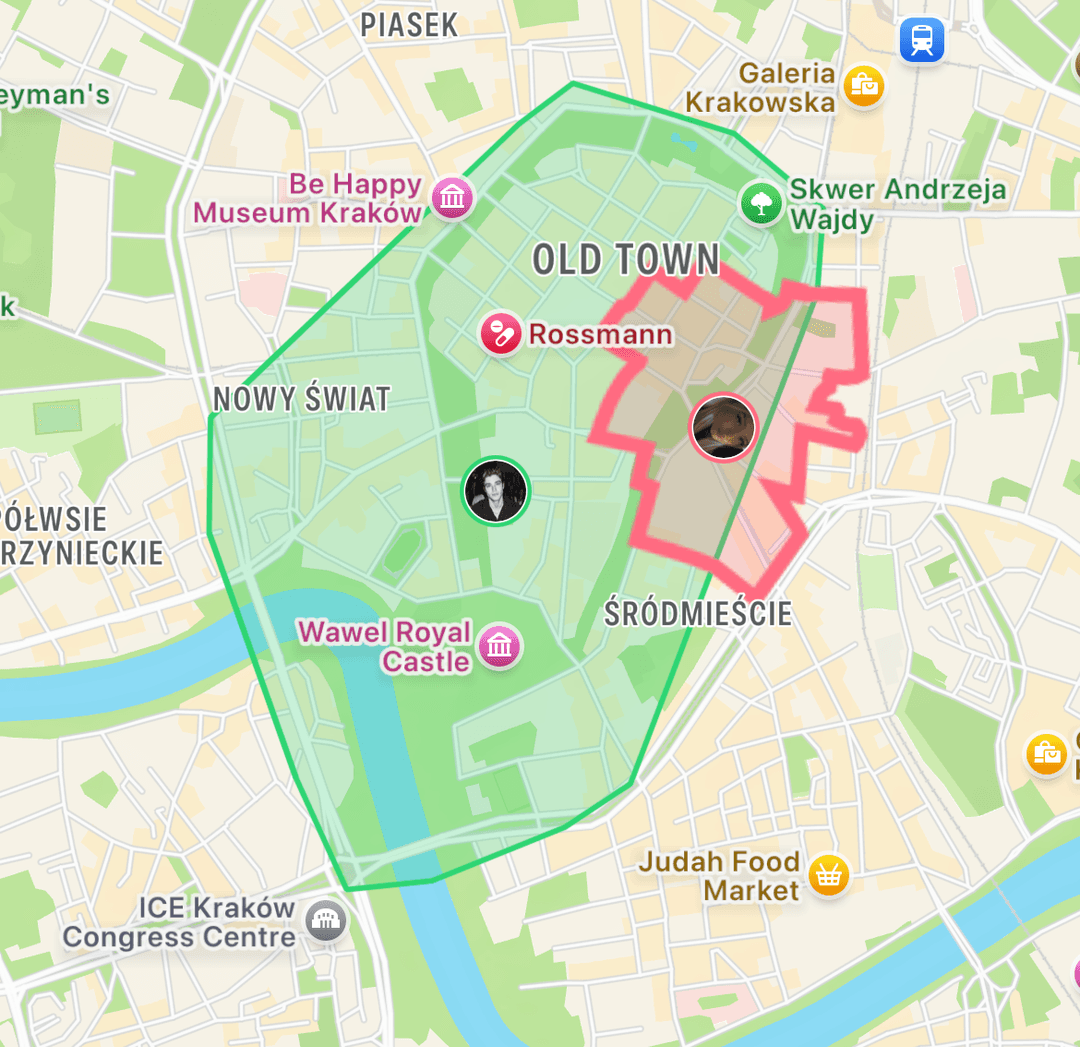
Nail the 5K. Own Your Neighborhood.
Motera makes every training run part of something bigger. Run a controlled first mile, hold your split, finish strong, and watch new territory light up on the map. Your local leaderboard tracks who owns the most blocks. Every 5K build run earns ground.
 Motera
Frequently Asked Questions
What is the best pacing strategy for a 5K?
The best 5K pacing strategy for most runners is a controlled first mile, steady middle mile, and hard final kilometer.
Should I sprint at the start of a 5K?
No. Sprinting at the start usually causes a slowdown later. Start fast enough to be on target, but not so fast that breathing is out of control.
Should I negative split a 5K?
A small negative split can work well. Start slightly controlled and finish faster, but do not make the first half so slow that the goal becomes impossible.
What pace is a 30-minute 5K?
A 30-minute 5K is about 9:39 per mile or 6:00 per kilometer.
How hard should a 5K feel?
A 5K should feel moderately hard early, hard in the middle, and very hard in the final kilometer.
How do I choose my 5K goal pace?
Use a recent race, time trial, or the Motera race pace calculator. Choose a pace you can hold in workouts without fading badly.