Should I Run Even Splits?
Yes, most runners should aim for even splits or slightly negative splits. Even splits mean running each mile or kilometer at roughly the same pace. Negative splits mean running the second half slightly faster than the first half.
For beginners and recreational racers, the best strategy is usually a controlled first third, steady middle, and strong finish. Starting faster than goal pace feels good early but often causes the biggest slowdown late.
Even split
Same pace for each segment
Negative split
Second half slightly faster
Positive split
Second half slower
Best default
Even or slightly negative
Split Strategy Comparison
| Strategy | Best for | Risk | Example |
|---|---|---|---|
| Even splits | Most road races | Can feel too cautious early | 8:00, 8:00, 8:00 |
| Negative splits | Experienced and patient runners | Waiting too long to move | 8:10, 8:00, 7:50 |
| Positive splits | Tactical racing or short events | Late fade | 7:40, 8:05, 8:35 |
| Effort splits | Hilly or windy courses | Requires discipline | Even effort, uneven pace |
Practical Steps
Set average goal pace first
Use the race pace calculator to find the average pace needed for your goal finish time.
Make the first segment controlled
Run the first mile or kilometer at goal pace or 5 to 10 seconds slower. This protects the rest of the race.
Hold steady through the middle
Use breathing and form as checks. If you are forcing the pace too early, back off before the damage compounds.
Move late, not early
If you feel strong after halfway in a 5K or after two-thirds in longer races, gradually speed up.
Choosing A Split Strategy
First race at the distance
Use even splits with a cautious first mile.
Flat course and clear goal
Use even splits or a small negative split.
Hilly course
Use even effort instead of forcing even pace uphill.
Hot weather
Start slower than planned and adjust by effort.
Mistakes To Avoid
Sprinting the first minute because the race feels easy.
Trying to make up lost time with one hard surge.
Ignoring hills and forcing exact split times on uneven terrain.
Checking instant GPS pace too often instead of cumulative splits.
Mini Case Study: Two Ways To Run A 25-Minute 5K
Runner A opens in 7:35 for the first mile, fades to 8:20, then fights through the final mile in 8:40. Runner B opens in 8:10, holds 8:05, then finishes near 7:55. Both may finish near 25 minutes, but Runner B has a more repeatable strategy and usually feels better at the finish.
Deeper Pacing Notes
Even splits are a discipline tool
Even splits stop you from spending too much energy before the race has really started. The point is not to make the watch perfect. The point is to keep the early race from stealing oxygen, rhythm, and confidence from the final third.
Negative splits need restraint, not hesitation
A negative split works when the first half is controlled and the second half is assertive. It does not work if the start is so slow that you need a huge surge later. The useful version is usually small, such as 1 to 3 percent faster in the second half.
Effort splits beat pace splits on hard courses
On hills, trails, wind, or heat, exact pace targets can punish good decisions. A slower uphill split may be correct if effort stays steady. A faster downhill split may be correct if form stays controlled and braking is minimal.
Runner Examples
Beginner 5K runner
Avoid walking late
Use an even effort plan and let pace vary slightly. The first mile should feel controlled enough that the final mile is still runnable.
10K PR runner
Run 50 minutes
Target 25:05 to 25:15 at halfway, then gradually squeeze down. A 24:20 first half usually makes the second half much harder than planned.
Marathon runner
Avoid the wall
Even splits are useful, but fueling and patience matter more. The first 10K should feel almost too easy if the goal is realistic.
Quick Glossary
Even split
Running each segment at roughly the same pace.
Negative split
Running the second half of a race faster than the first half.
Positive split
Running the second half slower than the first half, usually because the start was too fast.
Even effort
Keeping the same effort while pace changes because of terrain, wind, or heat.
Useful Next Reads
Calculate your exact race pace
Use Motera's free race pace calculator to turn your goal time into pace targets, mile splits, kilometer splits, and realistic race predictions.
Open calculator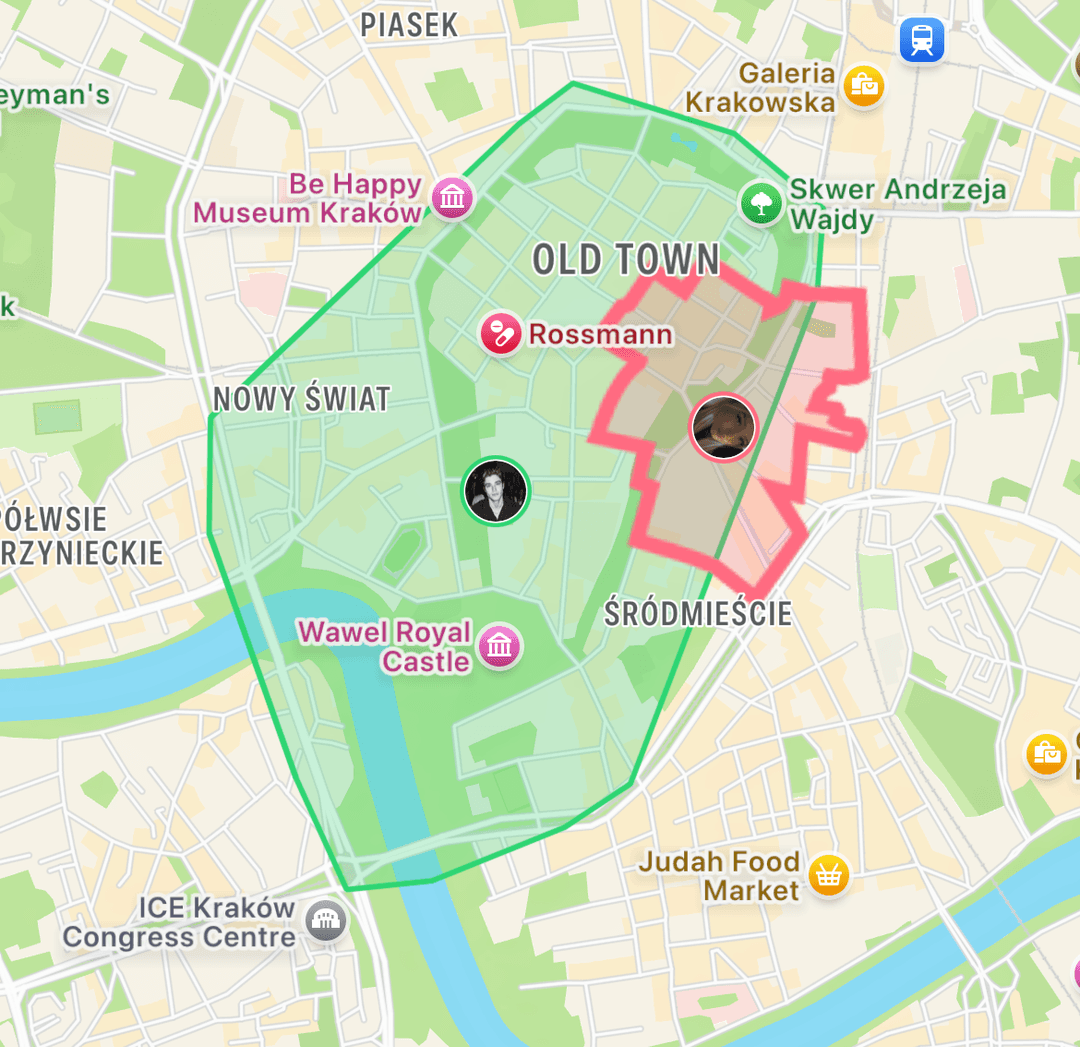
Consistent Splits. Consistent Territory Gains.
Even splits train you to run with discipline. Motera gives that discipline a purpose. Every controlled run captures new blocks on the map, reveals streets hidden by Fog of War, and moves you up your local leaderboard. Patience in training pays off on the map.
 Motera
Frequently Asked Questions
Are even splits best for running?
Even splits are one of the best default strategies because they reduce early overpacing and make race effort predictable.
Are negative splits better than even splits?
Negative splits can be better when the first half is controlled and the second half is only slightly faster. A dramatic negative split often means the start was too slow.
Should beginners run even splits?
Yes, beginners should usually aim for even splits with a controlled start because early speed is the most common pacing mistake.
Do elite runners run even splits?
Many elite distance performances are close to even or slightly negative, but championship races can be tactical and uneven.
How much slower should my first mile be?
For most recreational runners, 5 to 15 seconds slower than goal pace is enough. More than that may leave too much time to recover later.
How do I calculate even splits?
Divide your goal finish time by the race distance, then multiply that pace by each mile or kilometer marker to get cumulative split targets.