How to Calculate Race Pace
To calculate race pace, divide your total finish time by the race distance. A 25-minute 5K is 25 divided by 5, which equals 5:00 per kilometer. In miles, the same result is about 8:03 per mile because 5K is 3.106 miles.
The formula is pace = time / distance. Use minutes for time and miles or kilometers for distance. Once you know the pace, multiply it by each mile or kilometer marker to build your split plan.
Basic formula
Pace = time / distance
5K example
25:00 finish = 8:03/mi or 5:00/km
Marathon example
4:00:00 finish = 9:09/mi or 5:41/km
Best use
Goal setting, split planning, and race checks
Race Pace Examples
| Goal | Distance | Pace per mile | Pace per km |
|---|---|---|---|
| 25:00 5K | 3.106 mi / 5 km | 8:03 | 5:00 |
| 50:00 10K | 6.214 mi / 10 km | 8:03 | 5:00 |
| 2:00 half marathon | 13.1 mi / 21.1 km | 9:09 | 5:41 |
| 4:00 marathon | 26.2 mi / 42.2 km | 9:09 | 5:41 |
Practical Steps
Convert the finish time to minutes
For a 1:45:00 half marathon, use 105 total minutes. For a 4:30:00 marathon, use 270 total minutes.
Use the same distance unit throughout
Divide by 13.109 for half marathon miles or 21.097 for kilometers. Mixing units is the most common calculation mistake.
Convert decimals back to seconds
A result of 8.25 minutes per mile means 8 minutes plus 0.25 x 60 seconds, so the pace is 8:15 per mile.
Create cumulative split targets
Multiply the pace by each mile or kilometer marker. These cumulative times are more useful during a race than instant GPS pace.
When To Calculate By Hand vs Use A Tool
Use the formula for quick checks
If you only need one pace number, division is enough.
Use a calculator for full splits
A tool is better when you need mile-by-mile splits, kilometer splits, negative splits, or predicted times.
Use effort when conditions change
Heat, hills, wind, and crowded starts can make a mathematically correct pace unrealistic.
Mistakes To Avoid
Using 13 miles instead of 13.109 for a half marathon.
Forgetting to convert decimal minutes into seconds.
Planning only average pace and skipping cumulative split checks.
Using goal pace for every workout instead of separating race pace from training pace.
Mini Case Study: Turning A 50-Minute 10K Into A Half Marathon Goal
A runner who races 10K in 50:00 has an 8:03 per mile pace for that race. Using a race predictor gives a half marathon estimate near 1:50 to 1:52 for many runners. That means half marathon race pace is closer to 8:25 to 8:35 per mile, not 8:03. The longer race requires a slower pace even when fitness is the same.
Deeper Pacing Notes
Why cumulative split time matters more than instant pace
GPS watches can show instant pace swings of 20 to 60 seconds per mile when you pass trees, buildings, turns, bridges, or crowds. Cumulative split time is steadier because it compares where you are against the total plan. If mile 3 should be 24:00 and your watch says 24:08, you know the real problem is 8 seconds, not the unstable instant pace number on screen.
Why longer races need slower predicted pace
A runner does not simply hold 5K pace for 10K, half marathon, or marathon. Fatigue compounds with distance, so equivalent race predictions slow down as the event gets longer. That is why a 25-minute 5K points to roughly 52 minutes for 10K for many runners, not 50 minutes.
How to handle custom distances
For custom distances, measure the route first, then use the same formula. A 7.5-mile trail race in 1:15:00 is 75 divided by 7.5, which equals 10:00 per mile. If the course is hilly, use that number as a planning anchor and race by effort on climbs.
Runner Examples
First 10K runner
Finish in 60 minutes
The target is 9:39 per mile or 6:00 per kilometer. The runner should memorize 30:00 at halfway and avoid chasing any early kilometer faster than 5:45.
Half marathon PR attempt
Break 2 hours
The required pace is 9:09 per mile or 5:41 per kilometer. A useful checkpoint is 10K in about 56:50, which leaves the runner on schedule without forcing a fast start.
Marathon beginner
Finish around 5 hours
The target is 11:27 per mile or 7:06 per kilometer. For a first marathon, the runner should calculate a pace plan but also cap early effort so the first 10 miles feel controlled.
Quick Glossary
Average pace
The total time divided by total distance. It is the simplest way to describe how fast you ran overall.
Split
The time for one segment of a run, usually one mile or one kilometer.
Cumulative split
The total elapsed time you should see when reaching a specific marker, such as mile 6 or kilometer 10.
Equivalent time
A predicted race time at another distance based on a recent result and a fatigue model.
Useful Next Reads
Calculate your exact race pace
Use Motera's free race pace calculator to turn your goal time into pace targets, mile splits, kilometer splits, and realistic race predictions.
Open calculator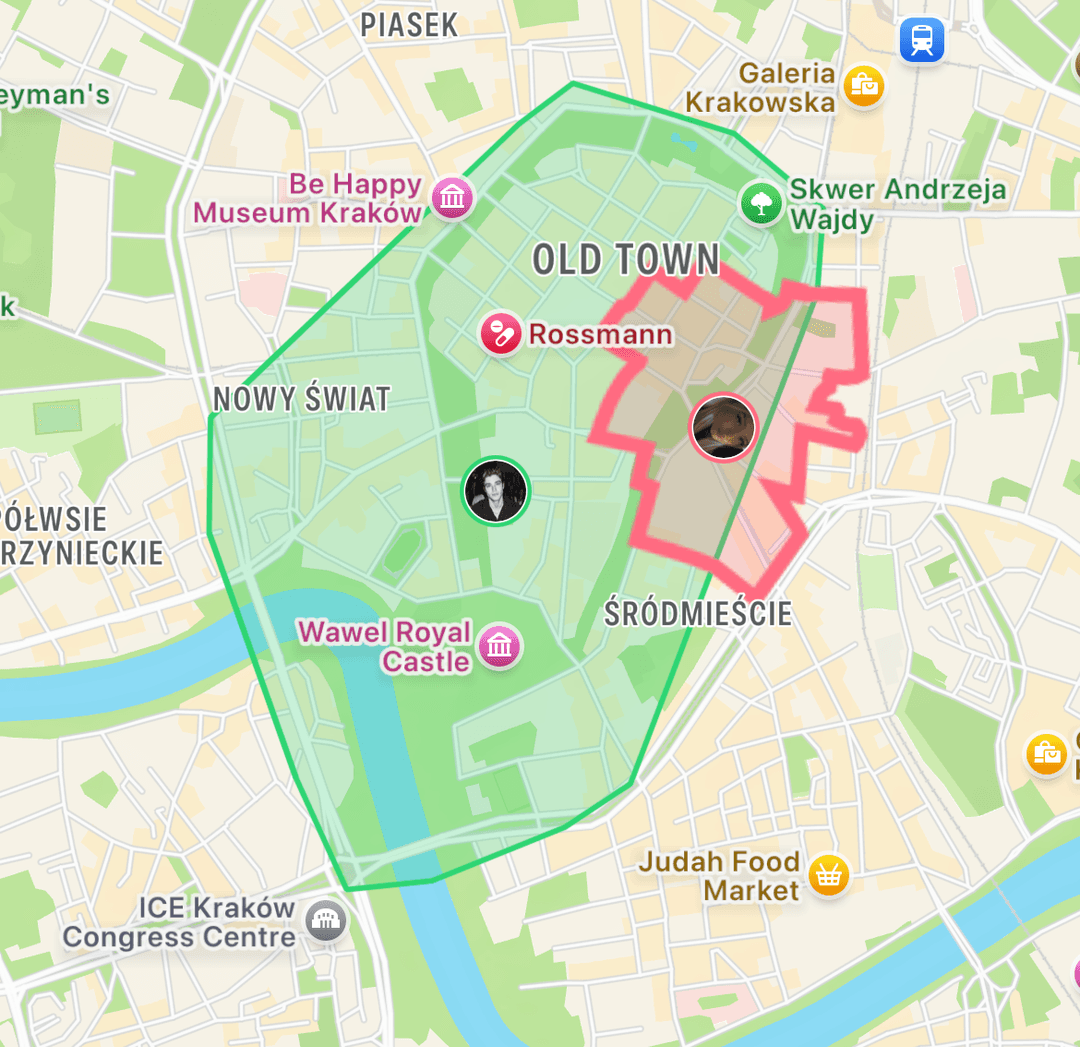
Know Your Pace. Now Make Every Run Count.
Motera turns calculated pace targets into real territory on the map. Run loops to capture city blocks, reveal hidden streets through Fog of War, and climb your local leaderboard. Your split plan becomes a game plan.
 Motera
Frequently Asked Questions
What is the formula for race pace?
The formula is pace = total time divided by distance. Use minutes for total time and either miles or kilometers for distance.
How do I calculate pace per mile?
Divide your finish time in minutes by the race distance in miles, then convert the decimal part into seconds.
How do I calculate pace per kilometer?
Divide your finish time in minutes by the race distance in kilometers. For a 50-minute 10K, the pace is exactly 5:00 per kilometer.
Is average pace enough for race day?
Average pace is useful, but cumulative split targets are better during a race because GPS instant pace can fluctuate.
Should I use even splits or negative splits?
Most runners should start controlled and aim for even or slightly negative splits. Starting faster than goal pace usually costs time late in the race.
What is the easiest way to calculate race pace?
Use the Motera race pace calculator if you want pace, finish time, split tables, and race predictions without doing the math manually.