Best Running Metronome Apps and How to Use Them
Stride rate is the single most underrated variable in running. The right cadence reduces injury, smooths pace, and makes long runs feel easier. These apps help you dial it in.
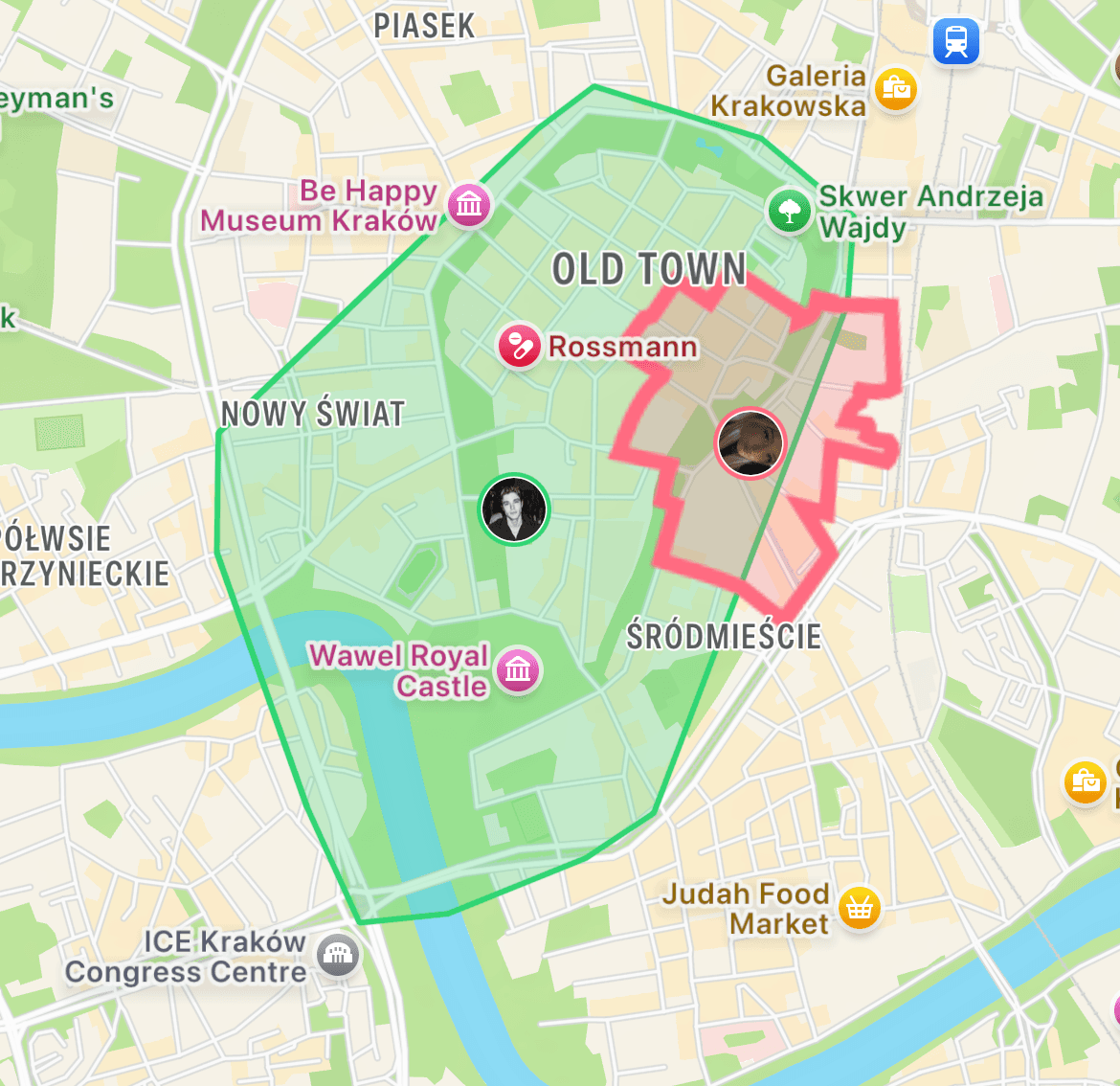
A metronome fixes your form. Motera fixes your motivation.
Dialing in your cadence is mechanical. The harder part is getting out the door consistently. Motera turns every run into a real-world strategy game. Capture territory, climb leaderboards, and let your new perfect cadence do the work.
Download MoteraWhy Cadence Matters
Running cadence is how many steps you take per minute. It matters because short, quick steps land directly under your center of gravity, reducing braking forces, knee impact, and injury risk. Long, slow steps with overstriding do the opposite.
Elite distance runners typically land between 175 and 190 BPM. Most recreational runners run at 150 to 165 BPM. Pulling cadence up by even 5 to 10 BPM produces real changes in efficiency and injury rates. New runners often find the change easiest during the easy runs of a beginner-friendly 10K schedule, where pace is not the point.
A metronome app is the cheapest and most reliable tool for cadence training. Beep, beep, beep. Match your footstrike to the beat. Simple.
Target Cadence by Height
These are general guidelines. Individual biomechanics vary. Start where you are and nudge up 5 BPM at a time.
5 Best Running Metronome Apps
Pro Metronome
Free (pro $3.99)No-frills metronome with adjustable BPM, subdivisions, and vibration. Works as a running metronome out of the box.
RunTempo
$4.99Designed specifically for runners. Sets BPM by pace target, offers haptic cues, and syncs with Apple Watch.
Weav Run
SubscriptionAdaptive music that adjusts tempo to your running pace in real time. Not a metronome, but the same effect.
Cadence
FreeSimple iOS metronome app built for runners. Quick BPM adjustment and background play.
Spotify BPM Playlists
Free with SpotifySearch Spotify for "180 BPM running" and get full playlists matched to your target cadence.
6-Step Cadence Training Plan
Measure your current cadence
Count right-foot strikes for 30 seconds during a normal-pace run. Multiply by 4 to get total steps per minute.
Set your target
Start 5 BPM above your current cadence. Jumping straight to 180 when you run at 160 will feel wrong and wreck your form.
Use the metronome 1 to 2 runs per week
Only during easy runs. Keep speed work and long runs metronome-free while you adapt.
Keep volume low
You should barely hear the beep. If it is loud, you focus on the sound and not your body.
Reassess every 2 weeks
After 2 weeks at the new cadence, bump up another 3 to 5 BPM if you feel ready.
Stop when you hit target
Once your natural cadence matches your target, stop the metronome. Let it become automatic.
Frequently Asked Questions
What is running cadence?
Cadence is the number of steps you take per minute while running. It is typically measured as total steps (both feet) per minute, not per foot. Elite distance runners tend to land around 180 spm.
Is 180 steps per minute really the ideal?
It is a common target, but it depends on your height, pace, and training history. Taller runners and slower paces naturally produce lower cadence. Aim for 170 to 185 range, not exactly 180.
How do I use a running metronome app?
Set a target BPM (for example 170), start the beeps, and match your footstrike to the beat. Most runners start 5 BPM above their natural cadence and increase gradually over weeks.
Can a metronome reduce injury?
Research suggests higher cadence reduces stride length and ground impact forces, which can reduce knee and shin stress. A metronome is a cheap way to experiment.
Do running metronome apps work on Apple Watch?
Some do. Look for apps with Apple Watch support if you want wrist-based haptic cues rather than audio beeps.
Is there a free running metronome app?
Yes. Basic metronome apps like Pro Metronome, RunTempo, and even the iPhone built-in Clock app (with some tricks) can work for cadence training.
Should I use a metronome every run?
No. Use it for 1 to 2 runs per week while you are actively changing your cadence. Once the new cadence feels natural, stop using the metronome and let it stay.
Does cadence affect pace?
Cadence combined with stride length determines pace. Increasing cadence without shortening stride will make you faster. Increasing cadence while shortening stride keeps pace constant but reduces impact.
What BPM should I use for walking?
Walking cadence ranges from 100 to 130 BPM depending on pace. Use 110 BPM for a moderate walk and 120+ for a brisk walk.
Does music replace a metronome?
Somewhat. Running to a playlist at your target BPM (for example using Spotify BPM playlists) is a fun alternative. But a dedicated metronome is more consistent and adjustable.