The 5K Runner Guide
Everything from running your first 5K to breaking 20 minutes. Training plans, pace targets, race strategy, and the fuelling that actually works.
Why the 5K is the Most Important Distance
The 5K is the most popular race distance in the world. It is long enough to feel like an accomplishment, short enough to race every month, and accessible enough for someone who has never run before to finish in eight to ten weeks.
It is also the distance that will teach you the most. Your 5K time is the single best predictor of your 10K, half marathon, and even marathon times. Train the 5K well and every other distance gets easier.
5K Time Benchmarks
| Target Time | Pace | Level | Percentile |
|---|---|---|---|
| Sub-30 min | 6:00/km (9:39/mi) | Beginner | ~60th percentile |
| Sub-25 min | 5:00/km (8:03/mi) | Recreational | ~75th percentile |
| Sub-22 min | 4:24/km (7:05/mi) | Competitive recreational | ~85th percentile |
| Sub-20 min | 4:00/km (6:26/mi) | Competitive | ~95th percentile |
| Sub-18 min | 3:36/km (5:48/mi) | Highly competitive | ~98th percentile |
| Sub-16 min | 3:12/km (5:09/mi) | Elite regional | Top 1% |
How to Train for Your 5K
First 5K (8-10 weeks)
Follow Couch to 5K. Three runs per week, alternating run and walk intervals. By week 9, you can run 30 minutes continuously.
Sub-30 min (6-8 weeks)
Already running 5K in 35+? Add one interval session (6 x 400m at 1:40) and one tempo run (2 x 10 min at 6:15/km) per week.
Sub-25 min (8-12 weeks)
15-20 miles per week. Interval work at 4:30/km. Tempo runs at 5:10/km. Long runs up to 8km. Strength training twice a week.
Sub-20 min (12-24 weeks)
25-35 miles per week. VO2max intervals. Threshold runs. At least one year of consistent training beforehand.
The first 5K is the hardest. The next hundred are the point.
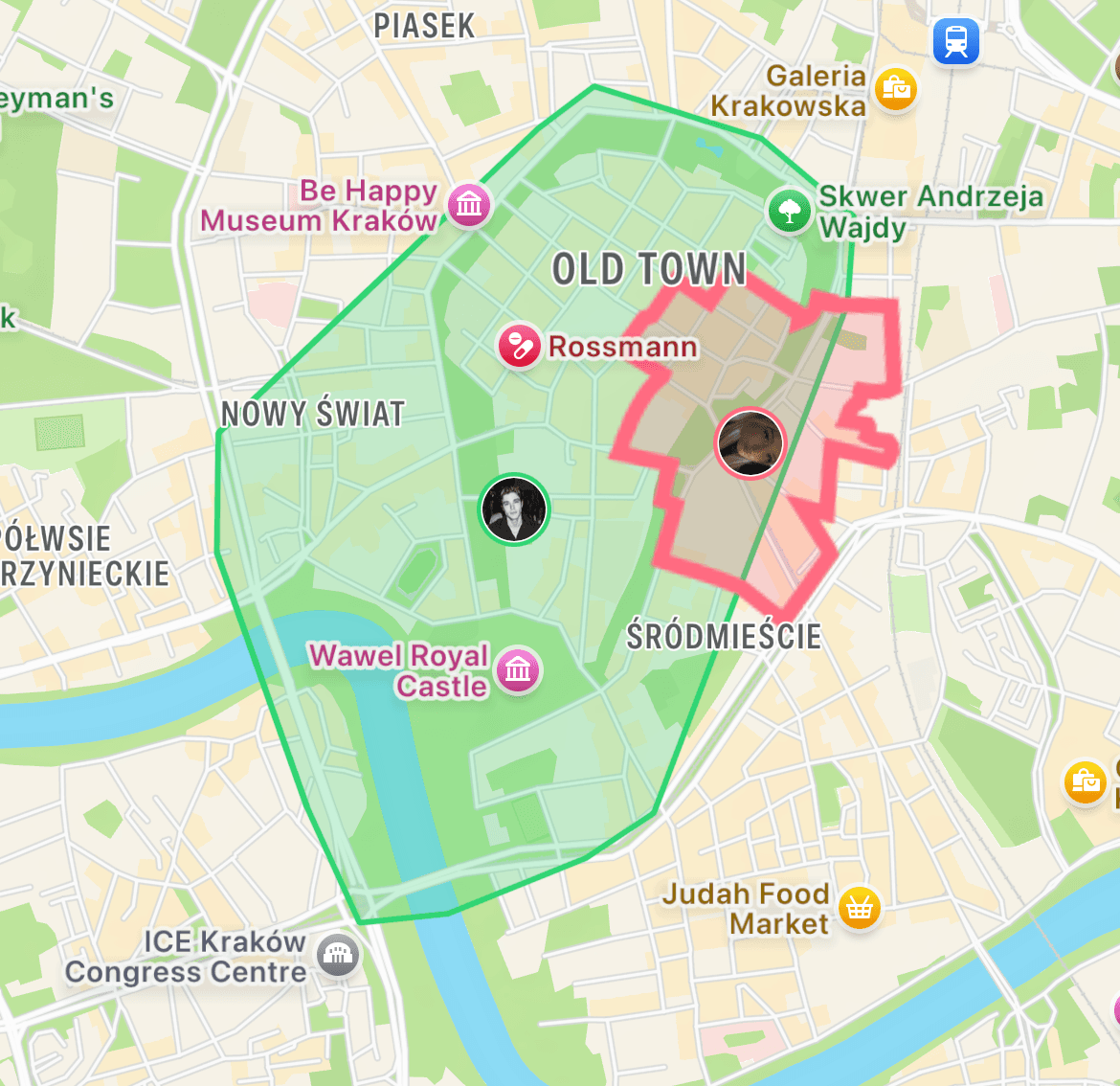
Motera makes every 5K earn progress on your city map. Weekly parkrun captures a new district. Tempo runs paint new streets. Streaks reward the habit. Free on iOS.
Download Motera5K Race Day Tips
Frequently Asked Questions
What is a good 5K time for a beginner?
Under 35 minutes is a great first 5K target. Most first-timers finish between 30-40 minutes. Just finishing is an achievement. Speed comes with repeat attempts.
How long does it take to train for a 5K?
8-10 weeks is the standard beginner block. Couch to 5K (C25K) is 9 weeks. Already running? You can race a 5K in 4-6 weeks of focused training.
How far is 5K in miles?
5 kilometres is 3.1 miles. Roughly twelve and a half laps of a standard 400m track. Or 20 city blocks in New York.
How do I run 5K in 30 minutes?
You need a sustained pace of 6:00/km (9:39/mi). Train with intervals at 5:30/km pace, weekly long runs of 7-8km, and tempo runs at 6:15/km. Typical training: 8-12 weeks from being able to run 5K.
How do I run 5K in 25 minutes?
Pace: 5:00/km (8:03/mi). Requires a solid base (15+ miles per week), interval work at 4:30/km pace, and race-specific tempo runs at 5:10/km. Typical timeline from sub-30 to sub-25: 6-12 months.
How do I run 5K in 20 minutes?
Pace: 4:00/km (6:26/mi). This is competitive-amateur pace. Requires 25-35 miles per week, weekly speed work, threshold runs, and usually a couple of years of consistent training.
What should I eat before a 5K?
2-3 hours before: a small carb-focused meal (oats, toast with banana, bagel). 30 minutes before: a light snack if hungry (half a banana, dates). Avoid anything new on race morning.
Should I run a 5K every week?
Not at race pace, no. Running fast every week leads to burnout and injury. One time-trial 5K a month is safer. Weekly 5K runs should be easy pace, not race pace.
Can I walk during a 5K?
Yes. Run-walk strategy (Jeff Galloway method) works for many beginners. Even elite ultrarunners walk hills. If you need to walk, walk. It is not failure.
What is parkrun and is it a 5K?
Yes. parkrun is a free, timed 5K held every Saturday at 9am in 2,000+ locations worldwide. It is the most beginner-friendly 5K you can do. Sign up at parkrun.com.