The Best Distance Tracker for Running in 2026
Every running stat depends on distance being right. Here is how to pick the right tracker for your runs, your budget, and the terrain you spend most of your time on.
Why Distance Accuracy Matters
Pace is distance divided by time. If distance is wrong, everything is wrong. A 5 percent error on a 10K is 500 meters, which moves your pace by about 15 seconds per kilometer. That changes a tempo run from an 8-out-of-10 effort to a 10-out-of-10.
For casual running, phone GPS is fine. For race-specific training, a dual-frequency GPS watch or foot pod is worth the investment. For treadmill running, foot pods matter more than anything else.
5 Types of Running Distance Trackers
Phone GPS app
Accuracy: ±2-5%Free to $20/moStrava, Nike Run Club, or Apple Workout on your phone. Good enough for most situations.
Single-frequency GPS watch
Accuracy: ±1-3%$200-450Garmin Forerunner 55/165, Apple Watch SE, Coros Pace 3. Dedicated running hardware at entry prices.
Dual-frequency GPS watch
Accuracy: ±1-2%$450-900Garmin Forerunner 965, Apple Watch Ultra 2, Coros Apex 2 Pro. Best-in-class accuracy everywhere.
Stryd foot pod
Accuracy: ±1-2%$220 one-timeClips to shoe, measures pace, distance, and power. Works outdoors or on treadmill.
Smart treadmill
Accuracy: ±3-8%$1500+Display-based distance. Accuracy depends on calibration and belt wear.
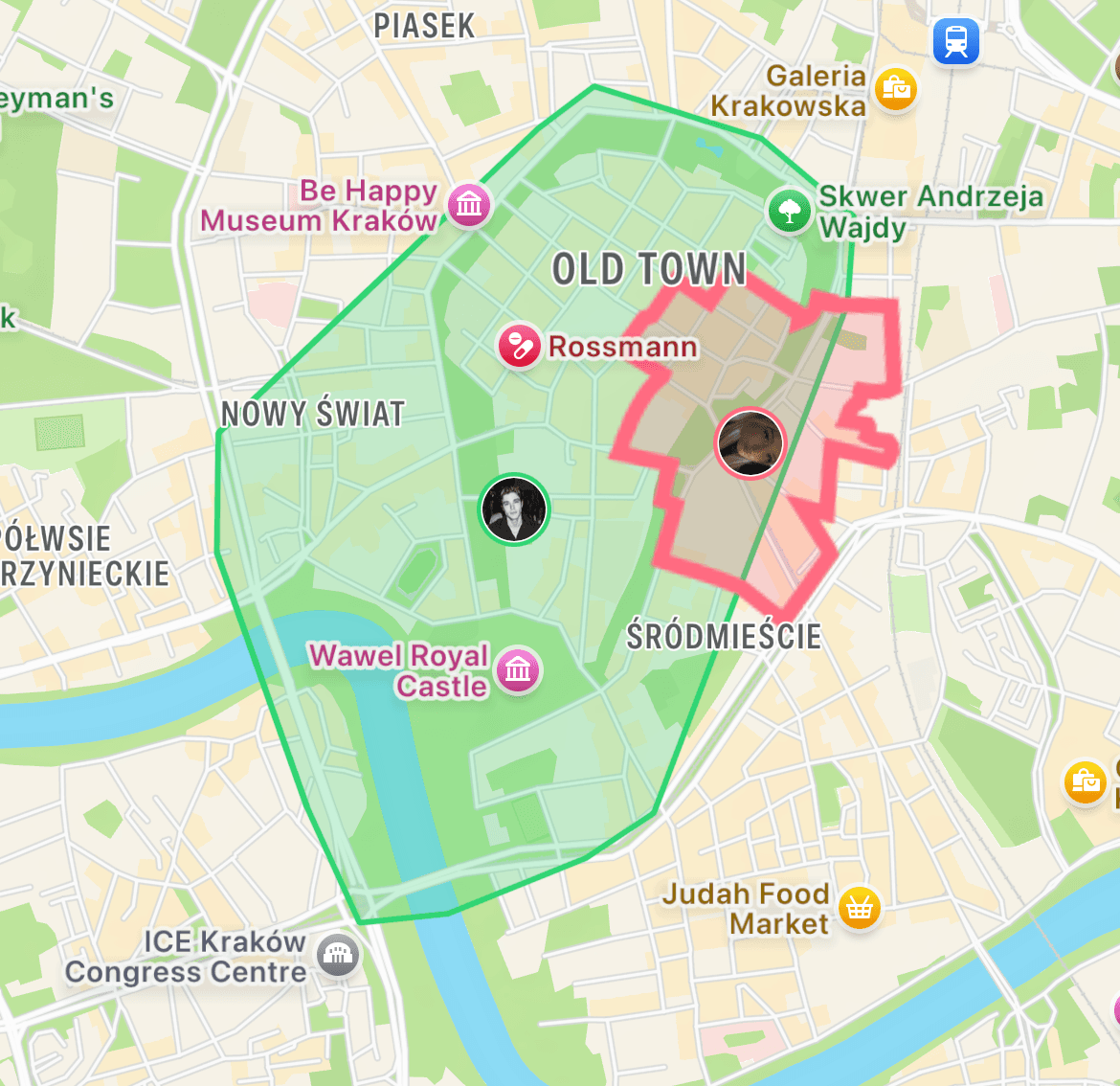
Distance is data. Motera turns data into a game.
Every meter you run captures real streets on your city map. Every kilometer feeds your streak. Every loop is a tiny win. Motera uses your existing GPS tracker and makes every run feel like progress.
Download MoteraFrequently Asked Questions
What is the most accurate running distance tracker?
Dual-frequency GPS watches (Garmin Forerunner 965, Fenix 7 Pro, Apple Watch Ultra 2, Coros Apex 2 Pro) lead the pack. Stryd foot pod is the most accurate for treadmill. Phone-only GPS trails watches by a small margin.
Phone or watch for tracking distance?
A GPS watch is more accurate and more convenient. A phone is cheaper and does everything else too. If you already have a GPS watch, use it. If not, phone tracking is fine for 95 percent of runners.
Are running apps accurate?
Accuracy is mostly dependent on the device, not the app. A Strava run on iPhone is about the same accuracy as a Nike Run Club run on the same iPhone. The GPS chip matters more than the app.
How accurate is treadmill distance?
Treadmill display distance is often off by 5-10 percent. A Stryd foot pod is accurate within 1-2 percent. Apple Watch uses the accelerometer and improves with outdoor calibration.
What is dual-frequency GPS?
Dual-frequency GPS uses two satellite frequencies (L1 and L5) simultaneously. This dramatically improves accuracy in cities and forests where single-frequency GPS bounces off surfaces.
Do foot pods still exist?
Yes. Stryd is the most popular and offers running power metrics. Zwift RunPod, Garmin Foot Pod, and Polar Stride Sensor are other options.
Can I use a chest strap for distance?
Chest straps measure heart rate, not distance. Some advanced straps like Garmin HRM-Pro add running dynamics but still rely on GPS for distance.
Is GPS tracking free?
GPS as a technology is free. The app recording it may be free or paid. Strava, Nike Run Club, and the Apple Workout app all track GPS distance for free.
How do I calibrate my running tracker?
Most trackers self-calibrate over time. You can manually calibrate most by running a known distance (like a measured track) and adjusting the calibration factor in settings.
Why does my distance seem wrong?
GPS drift in cities, under trees, or through tunnels. Check the track shape in your app. If it looks like a drunken zigzag, that is drift. If it looks clean but distance seems off, check if the app is adjusting for elevation.