The Best Running Mileage Tracker
Weekly, monthly, yearly. Track mileage to train smarter, prevent injury, and hit goals. Here are the best apps, free tools, and methods for logging every mile.
Why Track Mileage?
Mileage is the most honest number in running. Not pace, not heart rate, not the pretty graph. Mileage tells you what you actually did. It is the number every coach asks about first.
Tracked well, mileage prevents injury (by flagging spikes), predicts race times (via the consistency equation), and gives you a quiet sense of progress. Your current weekly number is also the entry test for any plan: the 18 week marathon plan wants a modest base to start from, while the 6 week half marathon plan will not work at all below its mileage floor. Tracked badly, it becomes a scoreboard you feel bad about. This guide is about tracking well.
8 Ways to Track Mileage
Strava
Free / $11.99 moWeek/month/year totals, training log calendar, training volume graph on profile
Garmin Connect
Free (with Garmin watch)Weekly training load, acute vs chronic load, injury risk warnings, shoe mileage
Runalyze
Free / $5 moBest-in-class analytics: ATL, CTL, TSB, VO2max trend, effort-based mileage
Final Surge
Free / paid tiersCalendar-based coaching log. Structured weekly plans, notes, and analytics.
Smashrun
Free / $4.99 moBadges for mileage milestones, trend charts, weekly breakdowns
Apple Fitness / Health
FreeTotal running distance over any time window, synced from all iOS apps
Nike Run Club
FreeLifetime mileage, weekly chart, monthly totals, milestone badges
Motera
FreeMileage becomes territory captured. Streaks reward consistency. Map fills as you log miles.
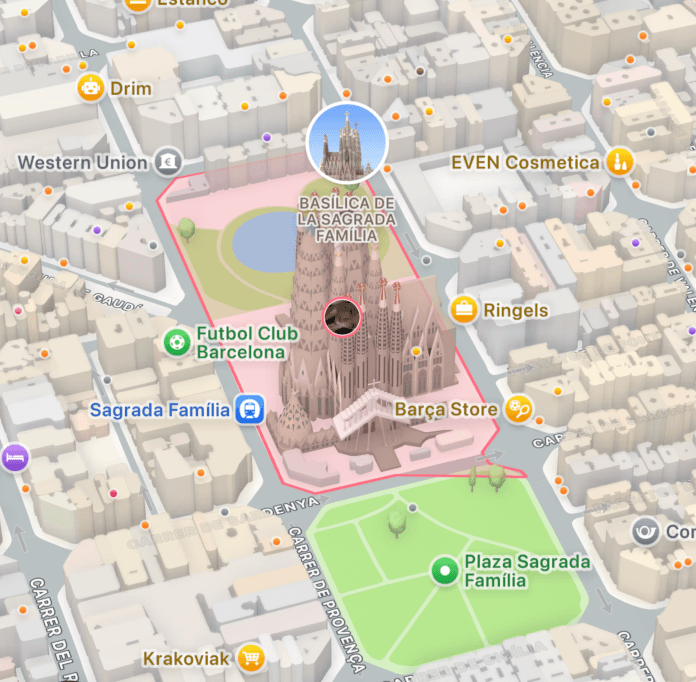
Miles should feel like progress, not a spreadsheet.
Motera turns weekly mileage into captured territory on your city map. Every mile fills more streets. Every week grows your claim. You still see totals, pace, and trends, but now the numbers connect to a place you actually ran.
Download MoteraWhat Good Mileage Tracking Looks Like
Weekly Mileage Ranges by Goal
| Goal | Weekly Mileage | Days per Week |
|---|---|---|
| General health | 8-15 mi | 3-4 |
| First 5K | 10-15 mi | 3-4 |
| Sub-25 min 5K | 15-25 mi | 4-5 |
| First 10K | 15-25 mi | 4 |
| First half marathon | 20-30 mi | 4-5 |
| First marathon | 30-45 mi | 4-5 |
| BQ marathon | 50-70 mi | 5-6 |
Frequently Asked Questions
What is the best mileage tracker for runners?
Strava and Garmin Connect both have strong mileage totals. Runalyze and Final Surge offer deeper analytics. Motera turns mileage into a game. Paper logbooks still work. The best tracker is the one you actually check.
How many miles should I run per week?
Beginners: 10-15 miles. Intermediate: 20-35 miles. Marathon training: 30-55 miles at peak. Elite marathoners: 80-120+. Follow the 10 percent rule: do not increase weekly mileage more than 10 percent week over week.
How do I track shoe mileage?
Most running apps let you assign a pair of shoes per run and track cumulative miles. Strava, Garmin, and Runkeeper all do it natively. Most shoes should be retired at 300-500 miles.
Should I track kilometres or miles?
Whichever is standard where you live. Most apps let you toggle units. For US races, miles. For UK, both are common. For most of the world, kilometres. Consistency matters more than units.
What is the best free mileage tracker?
Strava free tier tracks mileage by week, month, year forever. Nike Run Club does the same at no cost. Apple Health totals are free if you already record runs on Apple Watch. Motera is also free.
How do I track yearly running mileage?
Every major app (Strava, Garmin, Runkeeper, Nike Run Club, Apple Fitness) shows annual mileage on your stats page. For more granular charts, export activity history to a spreadsheet.
What is the best mileage tracker spreadsheet?
Google Sheets templates on r/running or Final Surge's free tier are popular. A simple sheet with date, distance, pace, and effort works fine. Many runners log weekly totals and add notes on how the runs felt.
Can I track treadmill mileage?
Yes. Log treadmill runs manually in most apps. Foot pods (Stryd, Zwift RunPod) track treadmill distance automatically. Apple Watch uses the accelerometer and improves with outdoor calibration.
How do I combine mileage from different apps?
Use Apple Health or Google Fit as a central store. Most apps read from and write to it. Runalyze imports from Strava, Garmin, and Polar to give you one master log.
What happens if I miss a week of tracking?
Nothing. Mileage is just a metric, not an obligation. If you missed a week of logging, enter totals manually or skip it. Over-tracking can become anxiety-inducing. The fitness is what matters.