Find Your Next Marathon
Every Major, every region, every kind of 26.2 worth running. Here is how to narrow more than a thousand marathons worldwide down to the one you will actually train for and show up to.
Every tool, standard, and race fact below is checked against official sources, not guessed.
How to Choose a Marathon
The best marathon is the one you are most likely to actually show up for, trained and healthy. Three filters matter most: distance from home, time of year, and course profile. Start with those, then layer in budget, lottery odds, and personal goals, especially for a Major like the Sydney Marathon, where our guaranteed marathon entry guide compares charity, time-qualifying, tour operator, and lottery paths.
For a first marathon, pick something within driving distance or a short flight. Nerves on race morning are enough without also worrying about jet lag and unfamiliar transit. Training for it alone is the hard way to do it, and our guide to finding a running club near you lists ten places to look for a long run group. For a second or third marathon, open the map wider. Every marathon has a story, and running Berlin or Big Sur or Comrades is its own reason to train.
Budget matters more than most guides admit. A local marathon might cost $500 all-in including gear. A Major like Tokyo or New York can run $2,000 or more once flights, hotels, and expo travel are added up. Decide your budget before you fall in love with a bucket-list race.
Finally, think about what happens after you cross the finish line. A destination race often means a few extra vacation days built around it, a local race means you are back to normal life and work the next morning. Both are valid, just plan your recovery week to match.
The 8 World Marathon Majors
The Abbott World Marathon Majors series expanded in 2026 for the first time since Sydney joined in 2023. Cape Town is now confirmed as the eighth Major, with its first race under full Major status set for May 23, 2027.
Tokyo Marathon
March JapanPolished, punctual, and loud. Japan at its proudest.
Boston Marathon
Third Monday of April (Patriots' Day) USAQualifier-only. Historic. Heartbreak Hill. Scream Tunnel at Wellesley.
London Marathon
Late April UKBallot entry. Costumes, crowds, Tower Bridge moment.
Berlin Marathon
Last Sunday of September GermanyWorld record course. Flat, fast, beer gardens at the finish.
Chicago Marathon
Second Sunday of October USAPancake flat. Neighborhood tour. Generous cutoff.
New York Marathon
First Sunday of November USAAll five boroughs. Millions of spectators. Unforgettable.
Sydney Marathon
Late August AustraliaNewest of the original seven. Harbour Bridge start, Opera House finish.
Cape Town Marathon
October, Major status from May 2027 South AfricaThe eighth Major and the first held on African soil. Table Mountain backdrop, ocean views for much of the course.
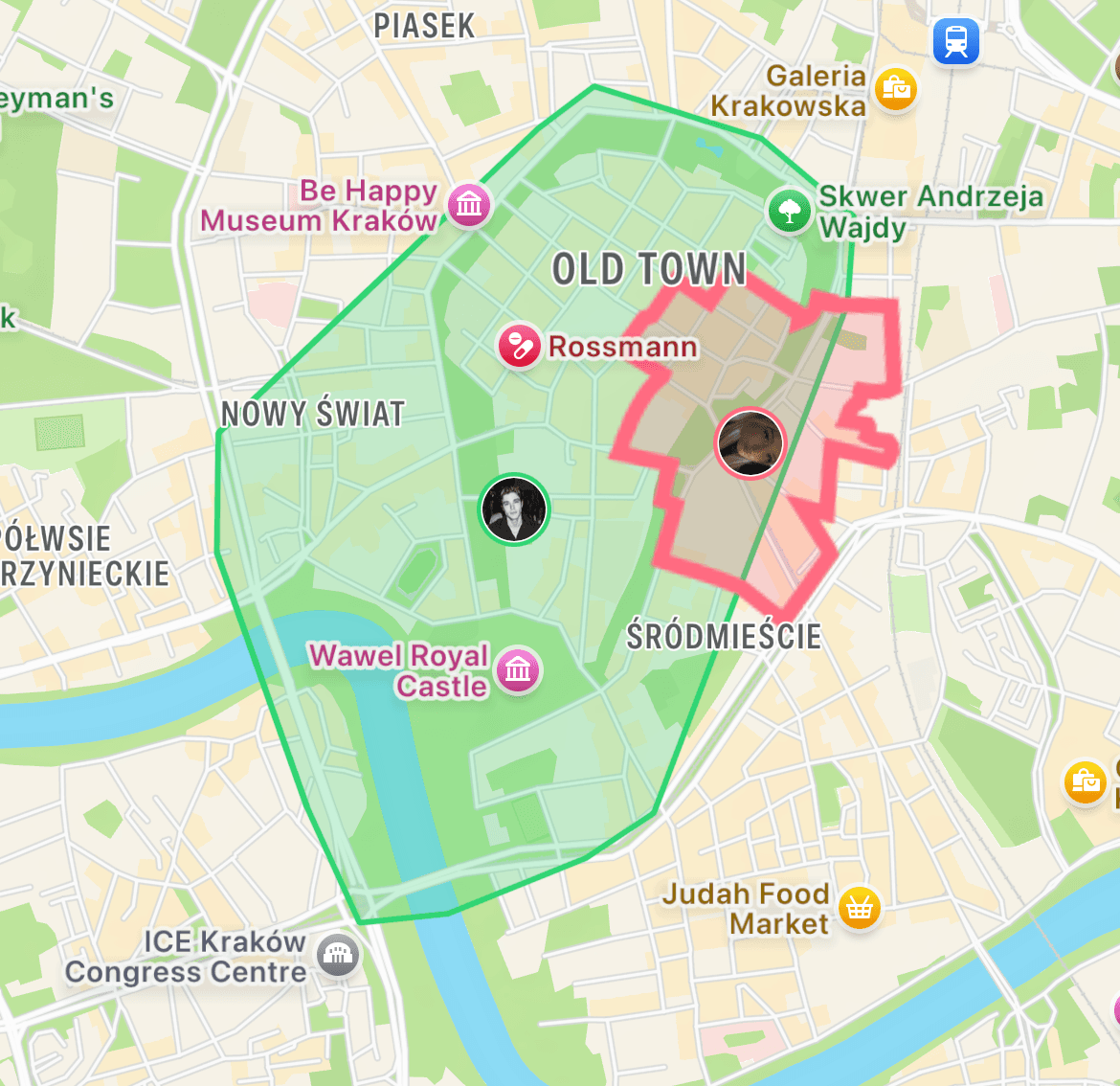
A race on the calendar needs a reason to run on a Tuesday.
Motera makes the weeks before race day something you look forward to. Capture territory on your long runs. Build streaks through the training block. Watch your city map fill in as you work toward the start line. 26.2 becomes the last mile of a bigger adventure, not just a countdown.
Download MoteraWatch: Choosing Your Race and Training Plan
A practical walkthrough of how to weigh course, timing, and training readiness before you commit to a marathon, useful whether this is your first or your fifteenth.
Marathons by Region
North America
The deepest bench of certified, well-organized marathons anywhere, with options at every price point and difficulty.
Marine Corps (DC), California International (Sacramento), Twin Cities (Minneapolis), Houston, Grandma's (Duluth), Bank of America (Philadelphia), Pittsburgh, Detroit, Honolulu
Europe
Flat, fast courses cluster here, with Valencia and Berlin routinely producing the world's quickest times.
Valencia, Paris, Amsterdam, Barcelona, Frankfurt, Copenhagen, Eindhoven, Hamburg, Seville, Vienna, Rome, Athens Classic Marathon
UK & Ireland
Strong grassroots race culture, with London's Major status pulling huge fields to smaller regional events too.
Manchester, Edinburgh, Brighton, Yorkshire, Newport, Cardiff, Dublin, Belfast
Asia-Pacific
Home to two Majors (Tokyo and Sydney) alongside a fast-growing calendar of well-supported regional races.
Sydney, Melbourne, Gold Coast, Auckland, Queenstown, Osaka, Seoul, Taipei, Singapore, Hong Kong
Destination races
Choose these for the experience and scenery first, the finish time second, terrain and altitude both add real difficulty.
Great Wall Marathon (China), Antarctica Marathon, Comrades Marathon (South Africa), Two Oceans (Cape Town), Reykjavik (Iceland), Patagonia International
Race Distance Quick Reference
Not ready for 26.2 yet, or looking at what comes after? Here is where the marathon sits among common race distances.
Marathon Terms Glossary
BQ
Boston Qualifier, a marathon finish time at or under the Boston Athletic Association standard for your age and gender.
PR / PB
Personal Record or Personal Best, your fastest verified time at a given distance.
Corral
A starting pen assigned by expected finish time or bib number, used at large races to organize the field before the gun.
DNF
Did Not Finish, an official race result for a runner who started but did not complete the course.
Negative Split
Running the second half of the race faster than the first half, a common pacing goal on flat courses.
Aid Station
A course checkpoint offering water, electrolyte drink, and sometimes gels, typically spaced every 1-2 miles on marathon courses.
Sweeper / Broom Wagon
Course staff or a vehicle that follows the last official finishing pace, marking the effective end of official race support.
Wave Start
Releasing runners in multiple groups a few minutes apart to reduce congestion at the start line of large races.
Verified Tools to Search and Register for Marathons
Each tool below is checked and live. Bookmark two or three of these rather than relying on a single database, coverage varies by region.
RunSignup Race Search
The largest US race registration platform, with live filters for distance, date, and location across thousands of certified marathons.
Visit siteWorld Athletics Calendar
The global governing body's official calendar of label-certified road races, including every World Marathon Major.
Visit siteAIMS Marathons Calendar
The Association of International Marathons and Distance Races lists AIMS-certified courses across more than 100 countries.
Visit siteMarathonGuide
Long-running US database with race reviews, historical finisher counts, and elevation profiles for course comparison.
Visit siteBoston Athletic Association
The official source for Boston Marathon qualifying standards, registration windows, and confirmed entry numbers.
Visit siteSanlam Cape Town Marathon
Official site for the newest Abbott World Marathon Major, with course maps and registration details for the African continent's first Major.
Visit siteBoston Qualifying Standards by Age Group
Standards below reflect the current qualifying window and were tightened by 5 minutes for runners under 60 for the 2026 race. Always confirm against the official B.A.A. qualifying page before submitting a registration, since standards can change year to year.
Meeting the standard is an application, not a guarantee. Recent years have required several minutes under the listed time to actually receive a bib.
Understanding Course Difficulty
The same 26.2 miles can feel completely different depending on four factors most race-finder sites bury in the fine print.
Elevation Profile
A net downhill course like Boston feels fast but punishes unprepared quads. A rolling course like New York spreads climbing across all five boroughs. Always check total elevation gain, not just net change, before comparing two races.
Historical Race-Day Weather
Check average temperature and humidity for the actual race date, not just the general season. Coastal cities and desert cities can differ by 20+ degrees on the same calendar date.
Course Cutoff Time
Major marathons enforce cutoffs, typically 6 to 7 hours, after which aid stations close and roads reopen to traffic. If your goal pace is close to the cutoff, confirm the exact policy before registering.
Field Size and Crowd Support
A 50,000-runner Major has continuous crowd energy but crowded early miles. A 2,000-runner regional race is calmer to navigate but has thinner spectator support in remote sections.
Major Marathon Lottery Notes
Lottery odds shift every year based on applicant volume, so treat any specific percentage you see online as a snapshot, not a guarantee. Here is how each Major's entry system generally works.
What to Expect Race Week
Arrive at your race destination if traveling. Walk lightly, stay off your feet otherwise, and start increasing carbohydrate intake gradually.
Pick up your bib at the expo. Lay out race-day clothing and test nothing new, no new shoes, no new nutrition, no new gear.
Eat a familiar, carb-forward dinner. Set two alarms. Pack your race-morning bag: bib, timing chip, warm-up layer, gels, and a plan for the walk or transit to the start.
Arrive earlier than feels necessary, gear check and corral entry both take longer than expected at large races. Eat your normal pre-run breakfast, nothing untested.
Marathon Registration Types Explained
Open Registration
First come, first served, typically for smaller regional marathons. Register early, popular races sell out months ahead.
Lottery / Ballot
You apply for a random drawing. Used by London (public ballot), Chicago, Berlin, New York, and Tokyo. Odds vary from roughly 1-in-5 to worse than 1-in-20 depending on the year and race.
Time Qualifying
You submit a certified race result meeting a time standard. Boston is the best known example, with standards set by age and gender.
Charity or Guaranteed Entry
Tour operators and official charity partners sell guaranteed spots, usually at a significant premium or with a fundraising minimum attached. The most reliable way into a sold-out Major if you missed the lottery.
Marathon Training Timeline
Once you find your race, count backward. Most first-time marathoners need 16 to 18 weeks of structured training.
Base Building
Rebuild or establish easy aerobic mileage. No hard workouts yet, the goal is consistent, injury-free running.
Endurance and Strength
Long runs extend gradually, usually by no more than 10% per week, alongside tempo runs and light strength work.
Peak Training
Your longest runs and highest weekly mileage happen here, often including a 20-22 mile long run 3 weeks before race day.
Taper
Volume drops sharply, roughly 40-60% below peak, while intensity stays light. This is when the fitness you built gets absorbed, not lost.
Charity Entry: How It Works
If a lottery does not go your way, charity entry is usually the most reliable path into a sold-out Major. Here is the process from start to bib.
Pick an official charity partner
Major marathons list their official charity partners on the race website. Only official partners hold guaranteed-entry bib allocations, unofficial fundraising does not guarantee a spot.
Confirm the fundraising minimum
Minimums typically range from $1,500 to $10,000+ depending on the race and charity. Ask what happens if you do not hit the minimum by race day, policies vary.
Start fundraising early
Charities generally recommend starting outreach 6+ months before race day. Personal stories and a specific dollar goal outperform generic donation requests.
Track deadlines separately from training
Fundraising deadlines and training milestones do not always align. Put both on a shared calendar so a fundraising crunch does not derail your last hard training weeks.
Marathon Race-Day Gear Checklist
Planning an International Marathon Trip
Chasing a Major or a bucket-list course abroad turns a race into a trip, and the logistics deserve as much planning as the training block. Book flights and lodging as soon as your entry is confirmed, since race-weekend hotel rates near the start line climb fast once a Major sells out.
Build in at least one full rest day between landing and race day to recover from jet lag, more if you are crossing five or more time zones. Runners who fly in the morning of packet pickup and race two days later tend to feel it in their legs by mile 18.
Pack your race-day shoes, singlet, and any specialty fuel in your carry-on, never checked luggage. Confirm baggage-drop and gear-check rules for the specific race, since procedures vary widely between a small regional marathon and a Major with hundreds of thousands of spectators.
Common Mistakes When Picking Your First Marathon
Picking a destination before checking the course profile
A scenic marathon with 2,000+ feet of elevation gain is a very different race than a flat course, even at the same distance. Check elevation before you book flights.
Ignoring the weather pattern for race month
A marathon in a city with typical race-day highs above 75°F adds real time to most finishers' results. Check historical race-day weather, not just the season.
Registering for a lottery race as a backup plan
If a lottery marathon is your only registered race, you may end up with no goal race at all. Register for a guaranteed race first, then enter lotteries for bonus goals.
Underestimating travel logistics for international majors
Expo pickup, time zone adjustment, and local transit on race morning all need planning. Arrive at least 2-3 days early for an international Major.
Final Take
There is no single best marathon, only the best marathon for what you want out of race day. Chasing a Six Star medal is a different goal than finding a flat, cheap, local race to break 4 hours for the first time, and both are completely valid reasons to sign up.
Use the tools above to build a shortlist, check the elevation profile and historical race-day weather before you register, and count backward from race day to make sure your training window actually fits your life.
Whichever race you pick, the training block matters more than the start line. Build consistency for the next 16 to 18 weeks, and the marathon itself becomes a celebration of the work rather than a leap into the unknown. If the calendar does not stretch that far this year, a shorter 6-week 10K build is a more honest use of the time you have.
Frequently Asked Questions
What is the best marathon finder website?
RunSignup lists thousands of certified US races with live registration. The AIMS calendar and the World Athletics calendar list internationally certified races with label status. MarathonGuide adds reviews, finisher counts, and elevation profiles for comparison.
How do I pick my first marathon?
Look for a flat course in your local time zone, in spring (April-May) or fall (September-October), with at least 16 to 18 weeks of lead time to train. Avoid races in extreme heat, high altitude, or places that are a logistical nightmare to reach.
What are the World Marathon Majors?
Tokyo, Boston, London, Berlin, Chicago, New York, and Sydney were the original seven. In 2026 the Sanlam Cape Town Marathon was confirmed as the eighth Abbott World Marathon Major, with its first race counting toward Major status on May 23, 2027.
How do I qualify for the Boston Marathon?
Run a Boston Qualifier (BQ) time at a certified marathon during the qualifying window. Standards vary by age and gender, for the 2026 race men 18-34 needed 2:55:00 and women 18-34 needed 3:25:00. Meeting the standard does not guarantee entry, recent years have required several minutes under the standard.
What are the fastest marathon courses in the world?
Berlin, Chicago, Valencia, London, and Seville top most lists. Flat elevation profiles, low turn counts, strong pacing groups, and favorable race-day weather make them fast.
What is the best marathon for beginners?
Chicago, Berlin, and Valencia are beginner-friendly because they are flat with enormous crowd support. In the US, the Marine Corps Marathon has a large beginner community. Smaller regional marathons are also a good option for a lower-pressure first race.
How much does it cost to run a marathon?
Entry fees run roughly $100-300 for regional events, up to $300-400 for World Marathon Majors. Travel, lodging, race-day gear, and fueling bring the total to $500-2,000+ for a non-local race.
When do marathon registrations open?
Most major marathons open registration 9-12 months in advance. London runs a public ballot each spring. Boston requires a verified BQ time. Chicago and Berlin both run lottery systems that typically open in the fall.
Are virtual marathons worth it?
If you cannot travel to a race or missed a lottery, a virtual marathon gives you a medal and an official finishing time, but it lacks the crowds, pacers, and closed course of an in-person race. Treat it as a fallback, not a first choice.
What are scenic marathons?
Big Sur International Marathon, the Great Wall Marathon, Patagonia International Marathon, Reykjavik Marathon, and Loch Ness Marathon are known for their scenery. Expect tougher, hillier courses in exchange for the views.
Is Cape Town Marathon really a World Marathon Major now?
Yes. After two rounds of evaluation, Abbott World Marathon Majors confirmed the Sanlam Cape Town Marathon as the eighth Major, the first held on African soil. Its debut as an official Major race is May 23, 2027. The original Six Star medal for the first seven Majors remains in place alongside the expanding series.
How many marathons should I run per year?
Most coaches recommend 1 to 2 goal marathons per year, with easier or shorter races filling the rest of the calendar. Running more than 2-3 full marathons a year raises injury risk unless you have years of high-mileage experience.
What is the Six Star medal?
A distinction awarded by Abbott World Marathon Majors to runners who complete all seven original Majors: Tokyo, Boston, London, Berlin, Chicago, New York, and Sydney. AbbottWMM has confirmed the Six Star program continues even as the series expands with Cape Town and future additions.
Do I need travel insurance for an international marathon?
It is strongly recommended, especially for lottery-entry Majors where the registration fee is often non-refundable. Look for a policy that covers trip cancellation and medical evacuation, not just lost luggage.