Virtual Running in 2026: Races, Medals, and Platforms
Virtual running exploded in 2020 and never died. Here is how it works in 2026, which platforms are worth your money, and how to get a full medal shelf without bankrupting yourself.
What Virtual Running Is
A virtual race is a run completed on your own route and time, then logged to receive a medal, shirt, or digital certificate. You pick the date, pick the course, pick the weather. The platform provides the structure and reward.
Virtual running is ideal for people who love training but do not want to travel for a race, or who are motivated by physical rewards and themed challenges rather than competitive times. A virtual 5km is the easiest first target, and our 8 week 5km plan covers the training in min/km.
The best platforms combine narrative (running the Camino de Santiago virtually), rewards (medals, finisher shirts), and community (Facebook groups and Instagram hashtags).
6 Best Virtual Running Platforms
The Conqueror Challenges
$30-60Virtually run famous routes like Route 66, the Great Wall of China, or the Inca Trail. Street View previews unlock as you progress.
Race At Your Pace
$15-25Simple monthly challenges (25, 50, 100 miles). Medal for each completion. Big on Instagram collectors.
My Virtual Mission
$20-60Run virtual journeys with friends as a team. Shared progress bar across a real-world route.
Strava Challenges
FreeMonthly climbing, distance, and race-prep challenges. No physical rewards, but free and built into Strava.
Virtual Runner UK
£15-25British-run charity races with a large medal catalog. Portion of each entry goes to charity.
Run The Year
$30-50Run or walk the miles equivalent to the current year (2026 miles). Year-long accountability with a huge medal at the end.
5 Tips for Virtual Race Newcomers
Pick a platform that fits your motivation style
Narrative (Conqueror) vs simple mileage (Race At Your Pace) vs team (My Virtual Mission). Different humans, different incentives.
Do not buy every medal
Medal collecting becomes its own expense. Set a budget and stick to a few meaningful events per year.
Use your regular GPS app
Strava or Nike Run Club screenshots submit fine almost everywhere. You do not need the platform's dedicated app.
Stack with in-person races
Use a virtual 5K as a race rehearsal for a real event. Builds taper confidence without big entry fees.
Join platform Facebook groups
Every major platform has a community group where people share photos, routes, and accountability. Most of the fun is there.
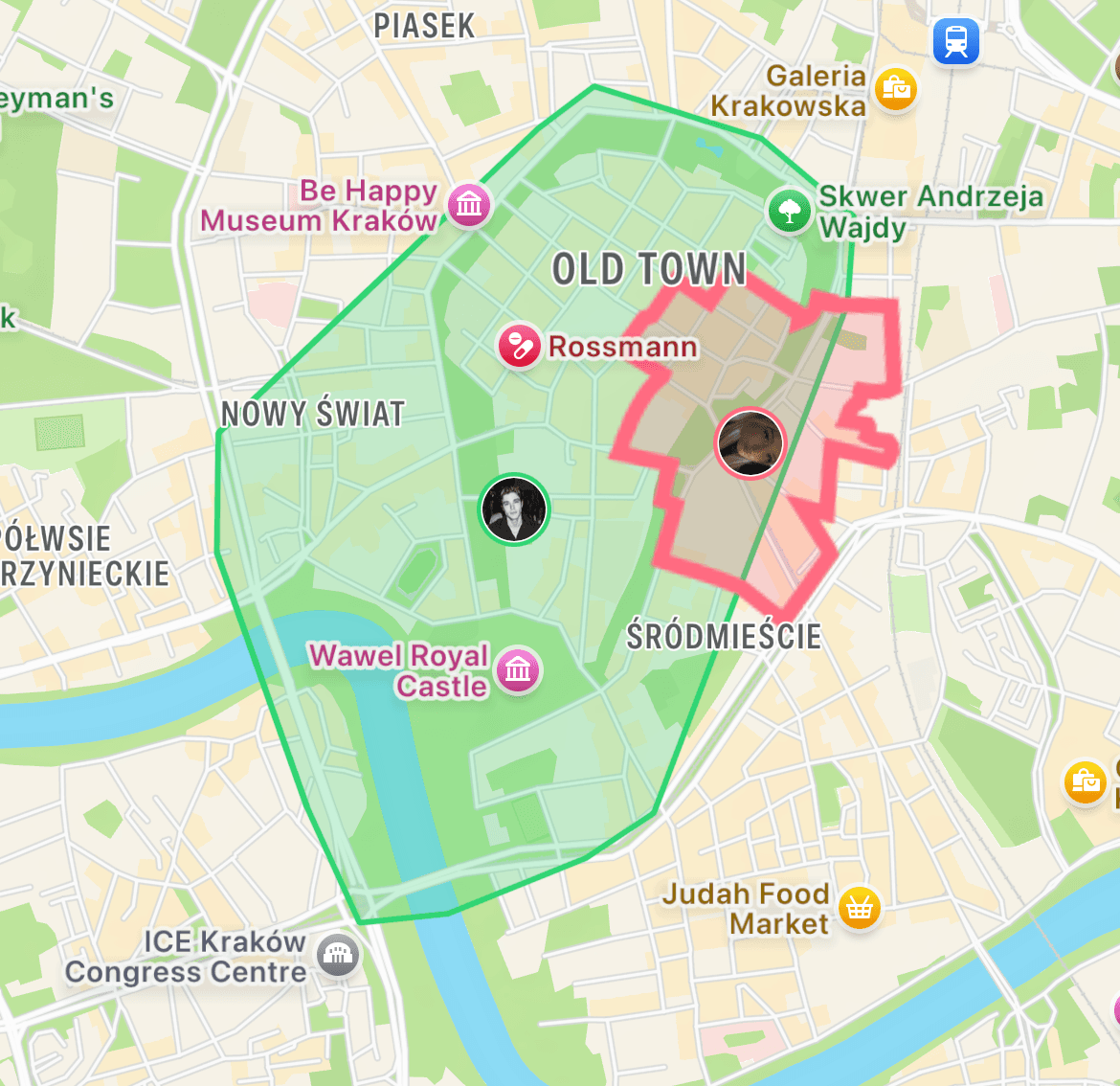
Virtual medals are cool. Capturing your city is cooler.
Motera is a year-round, no-entry-fee, always-on virtual race. Every run claims territory on your real city map. Every streak climbs leaderboards. Every loop earns XP. It pairs perfectly with any virtual running challenge.
Download MoteraFrequently Asked Questions
What is a virtual race?
A virtual race is a run event you complete on your own time and route, then submit results to an organizer. Popular virtual races include marathons, 5Ks, and long-term mileage challenges.
How do virtual races work?
Sign up, pay the entry fee, receive race materials (often including a shirt and medal), run the distance anywhere, submit your time via GPS screenshot or app upload, and receive finisher rewards.
Are virtual races worth it?
For motivation and cool medals, yes. For competitive racing, no. Virtual races work best as training goals and charity fundraising vehicles.
How much do virtual races cost?
Entry fees range from $15 for simple medals to $60 for elaborate swag packages. Multi-event challenges are usually $30-50.
Do virtual races count as real races?
They count for personal milestones but not for qualifying times. Boston Marathon and other major races require in-person verified times.
Best virtual race platforms in 2026?
The Conqueror Challenges (narrative mileage challenges), Race At Your Pace (monthly mileage), My Virtual Mission, Strava Challenges (free), and Virtual Runner UK.
Do I need a special app for virtual races?
Most accept screenshots from any GPS app like Strava, Garmin Connect, Nike Run Club, or Apple Fitness. Some have their own app for automatic submission.
Can I do a virtual race on a treadmill?
Most platforms accept treadmill runs if submitted with a photo of the treadmill display plus matching workout log. Check the specific event rules.
What is the difference between a virtual race and a challenge?
A race is a fixed distance. A challenge is usually a cumulative goal (run 100 km in a month, run Route 66 virtually). Challenges are longer and more story-driven.
Do virtual races give medals?
Yes, most do. Medal quality ranges from cheap zinc to elaborate spinning 3D designs. Medal collecting is a major part of virtual racing culture.